
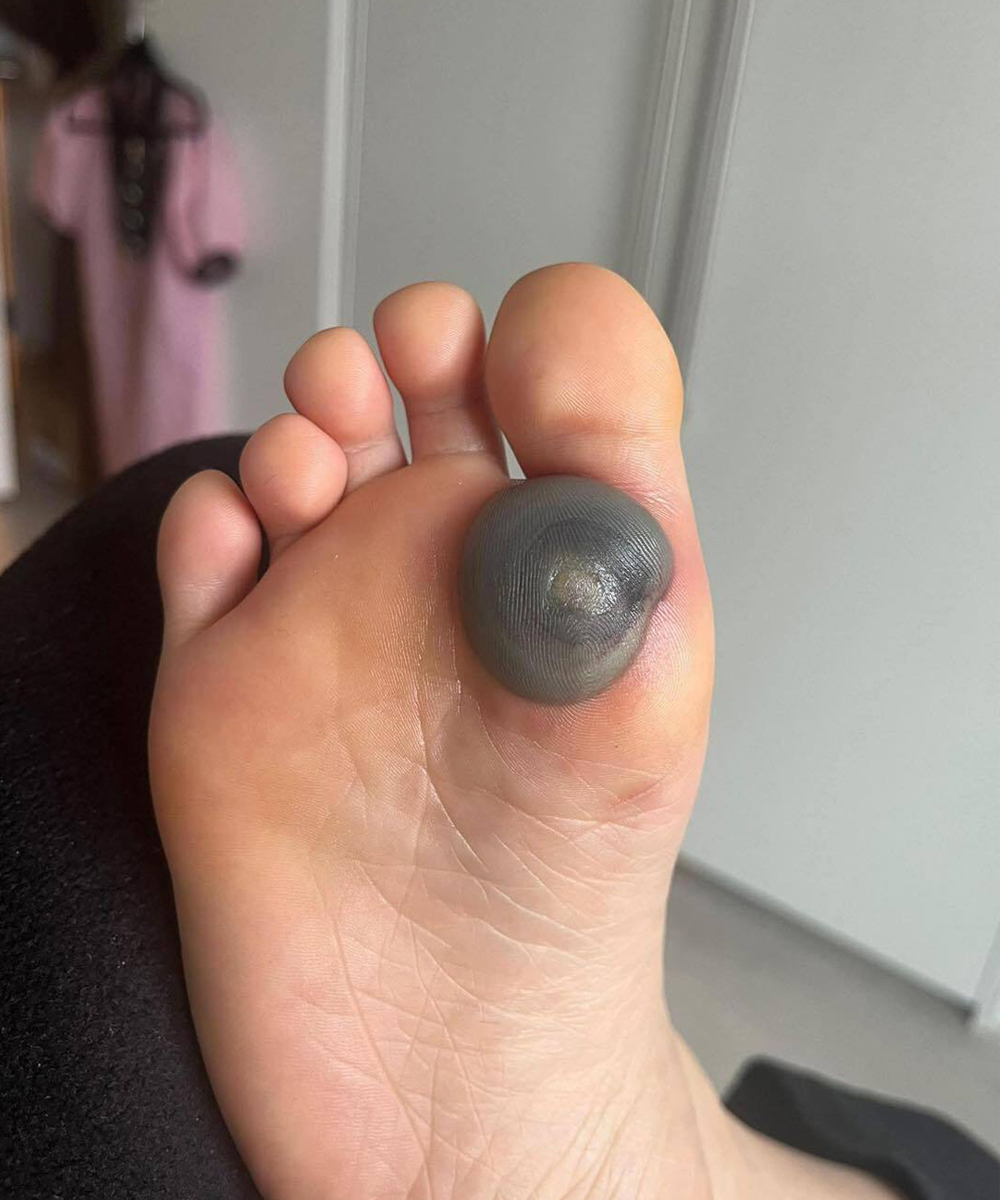
A blood blister can look alarming the first time you notice one. Its deep red or purplish color, sitting just beneath the skin, often appears suddenly and can feel tender to the touch. While most blood blisters are harmless, they’re a sign that the skin has experienced enough pressure or friction to stress the tiny vessels underneath. Knowing what’s happening can help you respond calmly instead of jumping to worst-case conclusions.
At its core, a blood blister forms when small capillaries break below the surface, but the top layer of skin stays intact. Instead of filling with clear fluid like a typical blister, the pocket fills with blood, giving it that darker appearance. These often show up on areas that take repeated pressure—like fingers, heels, toes, or palms. They can also appear in the mouth, where delicate tissue is more easily irritated by accidental bites, hot foods, or dental friction.
Most of the time, the cause is straightforward: tight shoes, repetitive motion, pinching, or sudden impact. Athletes, people who work with their hands, or anyone breaking in new footwear are especially prone to them. Less commonly, they can develop from burns or minor injuries that trap blood under the skin. If you notice them appearing frequently without a clear reason, it may be worth paying closer attention to underlying habits or sources of irritation.
Caring for a blood blister is usually simple. Avoid popping it, as the intact skin protects against infection. Keep the area clean, reduce pressure if possible, and cover it with a bandage if it’s in a spot that might rub. Over time, the body will naturally reabsorb the blood, and the blister will fade. If it becomes unusually painful, shows signs of infection, or doesn’t heal as expected, seeking medical advice is a sensible next step.