
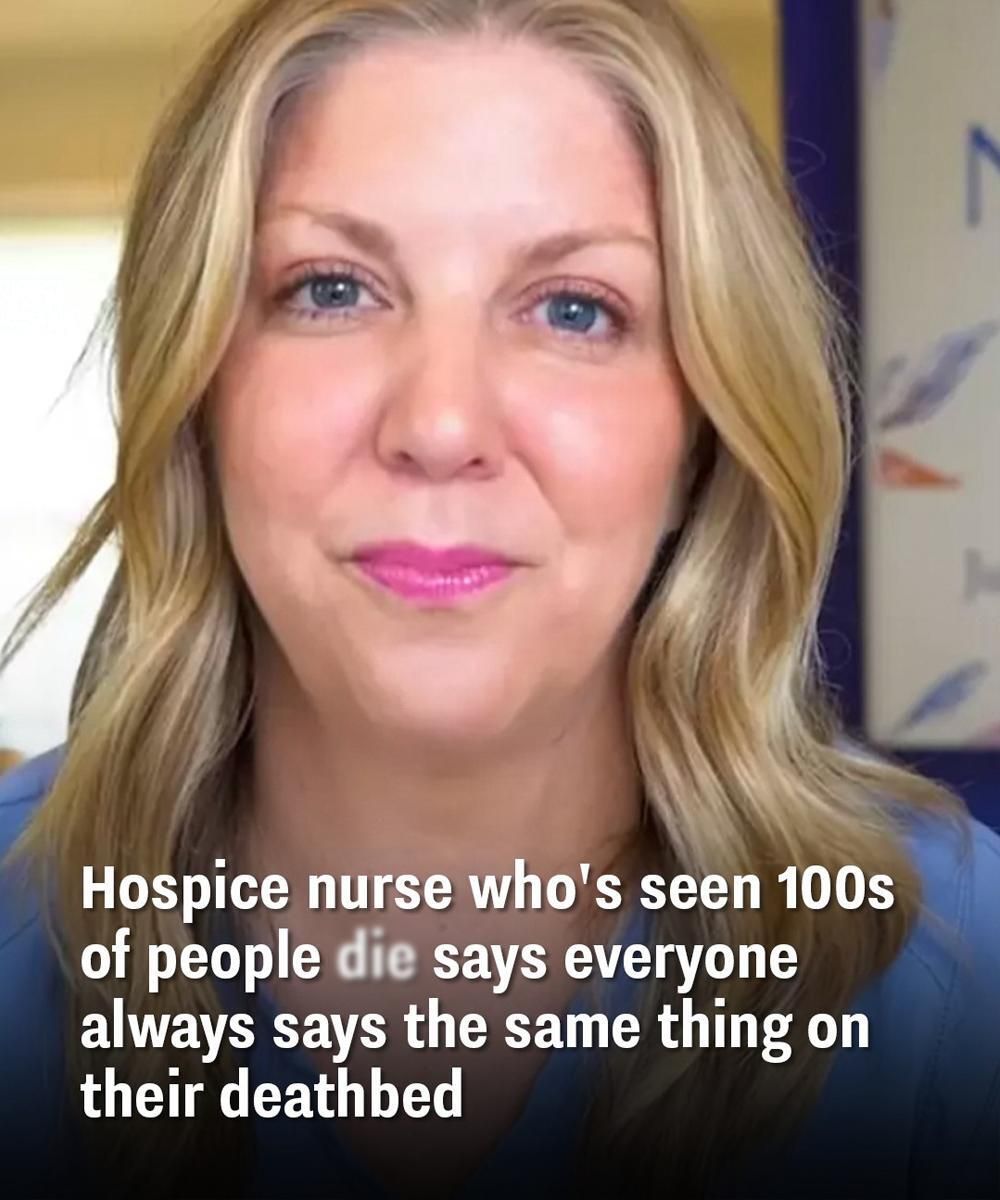
After years of caring for people in the final chapter of life, one hospice nurse began to notice a pattern that surfaced again and again in quiet, deeply personal conversations. It wasn’t about money, accomplishments, or the things people spent decades chasing. Instead, the reflections she heard pointed to something simpler—yet far more meaningful—about how people understand their lives when time becomes limited.
Julie McFadden has spent much of her career supporting individuals during moments of vulnerability and honesty that few get to witness so closely. In these spaces—hospital rooms, hospice settings, and private homes—people often speak with a clarity that only comes when distractions fall away. Titles, status, and possessions tend to fade in importance, replaced by thoughts about relationships, choices, and the moments that truly shaped their lives.
If there’s one takeaway from her experience, it’s this: prioritize connection early and often. The conversations she recalls most vividly revolve around time spent with loved ones, expressions of care, and the desire to feel understood. For anyone looking to live with fewer regrets, investing in relationships—through presence, communication, and small daily acts of kindness—can have a lasting impact that far outweighs external success.
Today, through her outreach and educational work, McFadden shares these insights with a broader audience, not to alarm, but to gently reframe perspective. Her message is grounded and practical: you don’t need to wait for a life-altering moment to reflect on what matters. By making space for meaning now—through connection, gratitude, and intention—you can shape a life that feels fuller long before its final chapter arrives.