
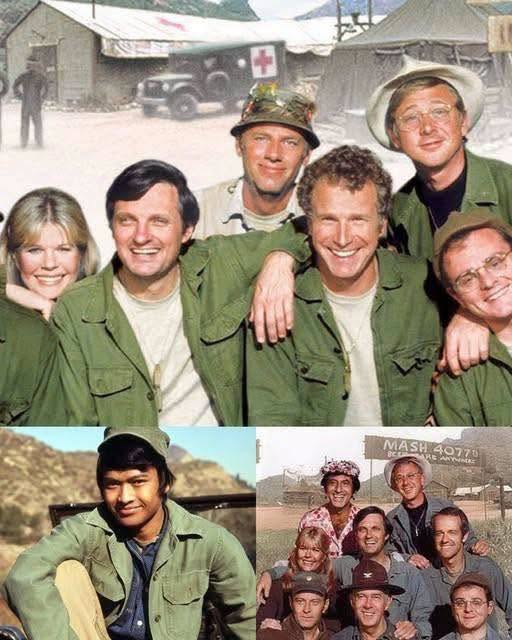
Patrick Adiarte moved through mid-century entertainment with a presence that was both subtle and significant. Born in the Philippines and shaped by the upheaval of war, he arrived in an American industry that offered few spaces for someone like him. Rather than forcing his way in, he occupied the space that existed—steadily, visibly—at a time when representation itself was a quiet act of resistance.
His performances, including appearances in productions like Flower Drum Song, carried more weight than their screen time suggested. In an era when Asian performers were often overlooked or stereotyped, his presence alone challenged expectations. He didn’t need to be loud to be meaningful; simply being there—skilled, composed, and undeniable—shifted what audiences could see and imagine.
When opportunities in front of the camera began to fade, Adiarte chose a different path. He stepped away from the pursuit of visibility and into the discipline of teaching. In dance studios, away from the spotlight, he offered something deeper than performance: structure, honesty, and encouragement. Where the industry had been limited, he created space—for growth, for expression, and for others to feel seen.
His legacy lives less in recognition and more in influence. Students who trained under him carry forward not just technique, but a quiet confidence rooted in his example. Patrick Adiarte may not have always been placed at the center of the stage, but his impact continues in every movement shaped by his guidance—a lasting presence that doesn’t depend on applause.