
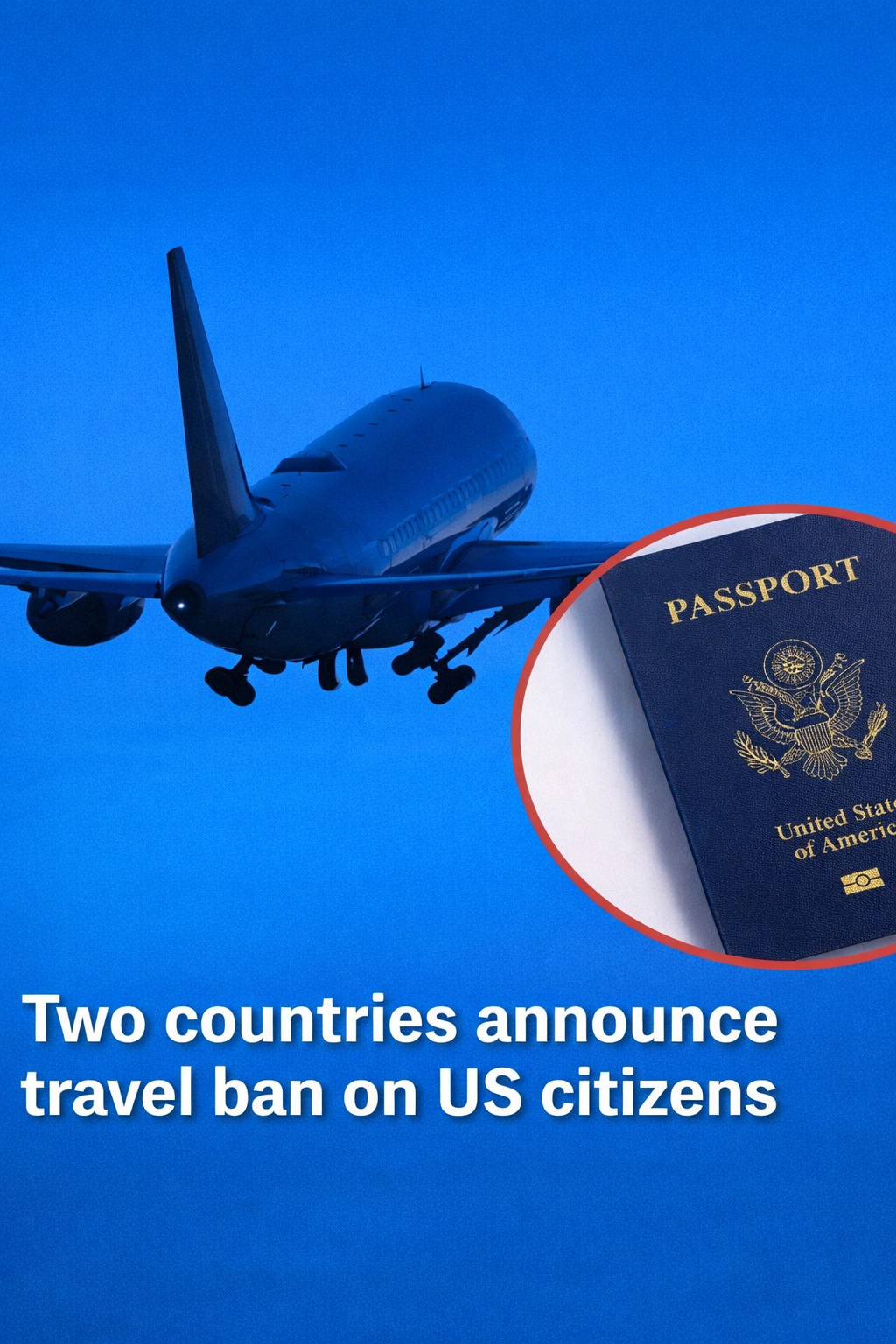
Across the Sahel, governments are taking a firmer stance on how mobility is managed. Countries such as Mali, Burkina Faso, Niger, and Chad have introduced tighter entry requirements for U.S. travelers, signaling a shift in how visa policies are used. These changes reflect a broader push for reciprocity—an effort to align their own rules with those applied to their citizens abroad.
For these governments, visa policy is not just administrative—it carries political and symbolic weight. Adjusting entry requirements becomes a way to assert sovereignty and respond to what they perceive as imbalanced travel restrictions. The message is less about limiting movement outright and more about redefining the terms under which that movement happens.
However, the impact extends beyond policy discussions. Students, aid workers, business travelers, and families are often the first to feel the effects. Sudden changes can disrupt plans, delay projects, and complicate everyday connections that rely on stable travel rules. What happens at a diplomatic level quickly filters down into real-life consequences for individuals navigating these systems.
Moving forward, easing tensions will likely require more than procedural updates. Dialogue that addresses concerns around fairness, security, and historical context will be essential. Travel policies sit at the intersection of these issues, and finding balance will mean creating systems that protect national interests while still allowing people to move, connect, and collaborate across borders.