
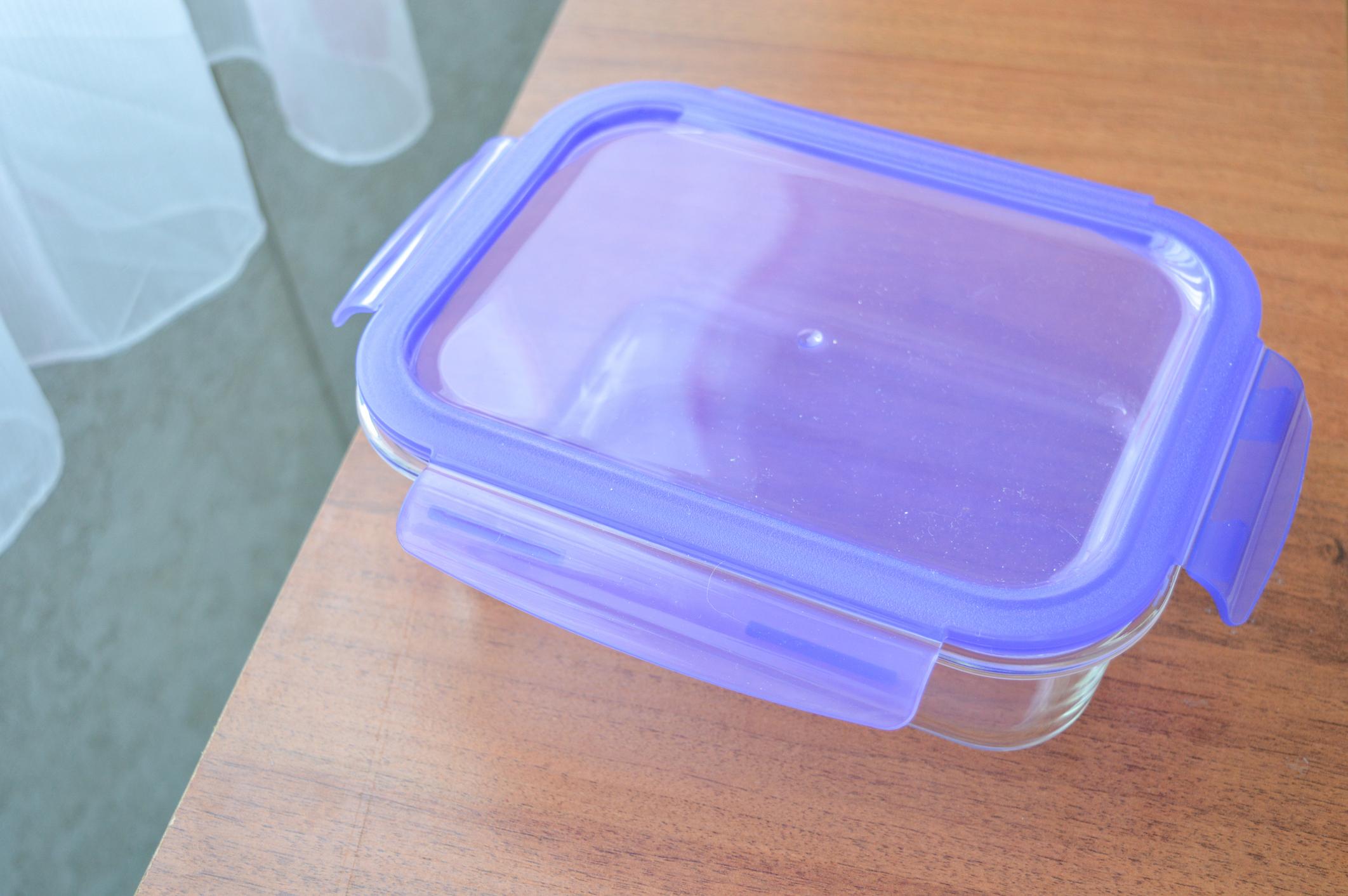
Plastic bowls are a staple in many kitchens—lightweight, convenient, and easy to store. But over time, even the most durable ones begin to show signs of wear. Scratches, cracks, cloudiness, or discoloration might seem like minor cosmetic issues, yet they can signal that a container is no longer performing as safely as it once did. Taking a moment to check the condition of these everyday items can make a meaningful difference in how you store and prepare food.
One of the main concerns with aging plastic is how it handles cleanliness. Small scratches can create tiny grooves where bacteria may settle, making it harder to fully sanitize the surface during normal washing. Even with thorough cleaning, these hidden spaces can allow germs to linger. While this doesn’t mean every older container is unsafe, it does mean that visible wear should be taken seriously rather than ignored.
Heat is another factor that can affect plastic over time. Not all containers are built to handle high temperatures, and repeated exposure—whether from microwaving, dishwashing, or hot foods—can weaken the material. In some cases, this breakdown may lead to the release of small amounts of substances into food, particularly if the container isn’t labeled as microwave-safe. Being mindful of how plastic is used can help reduce unnecessary exposure.
A practical approach is simple: replace plastic bowls when they show clear signs of damage, and use them according to their intended purpose. For heating or long-term storage, many people turn to alternatives like glass or stainless steel, which tend to be more stable over time. Plastic can still have a place in the kitchen, but using it thoughtfully—and knowing when to let it go—helps keep both convenience and safety in balance.