
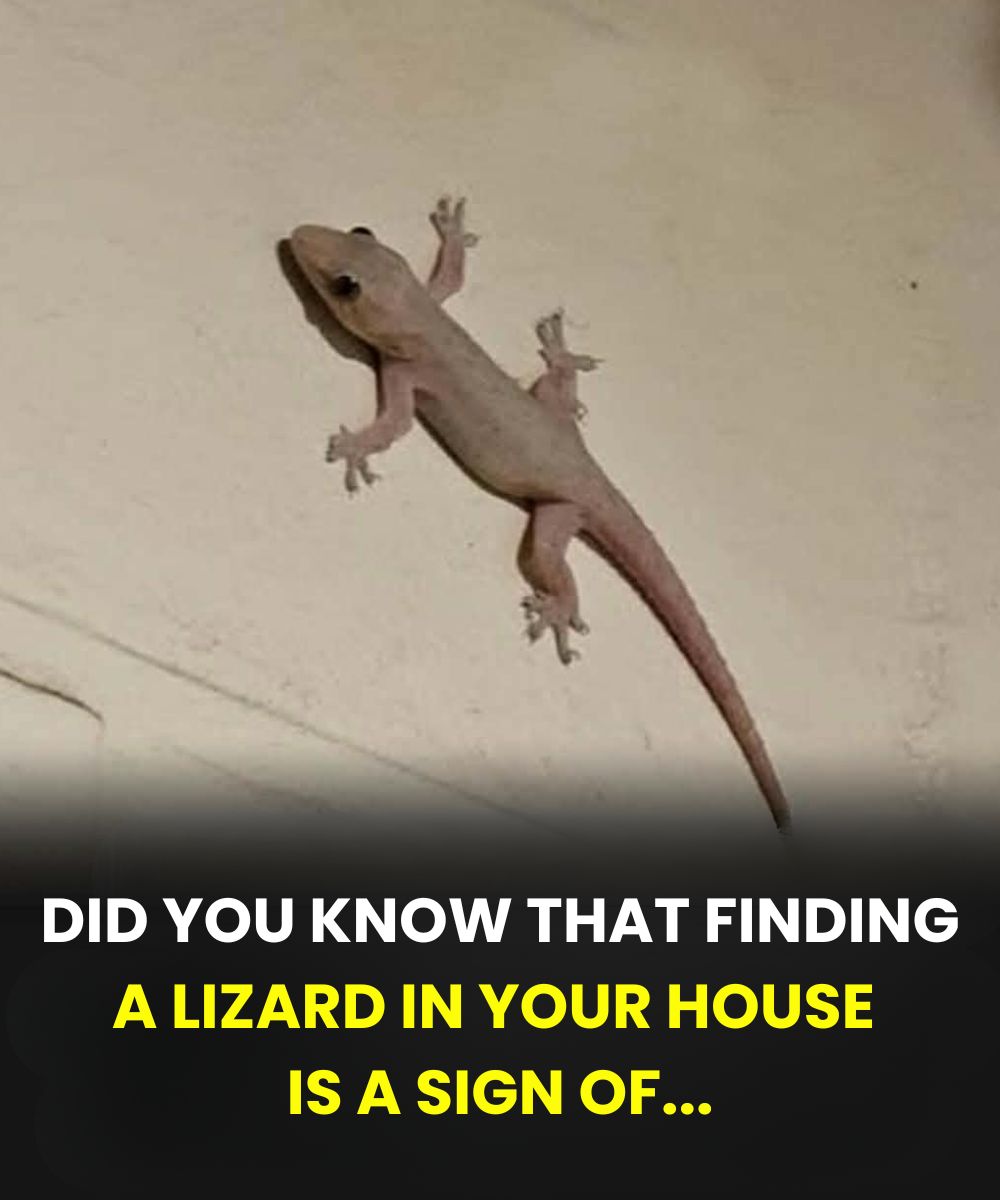
Spotting a lizard inside your home might seem like a minor, everyday occurrence—especially in warmer regions where these small reptiles are common. They tend to move quietly along walls or ceilings, appearing briefly before slipping out of sight. Yet for many people around the world, this moment carries more than just a practical explanation. Across different traditions, lizards are often linked to symbolic meanings, turning an ordinary sighting into something worth noticing.
To understand this encounter, it helps to look at how different cultures interpret it. In parts of Asia, such as Vietnam and Thailand, house lizards are generally viewed in a positive light. Beyond their practical role in controlling insects, they are often seen as subtle protectors of the home. Their presence is believed to contribute to a sense of balance, quietly guarding the space from unwanted influences. In Thailand, even the sound of a gecko can hold meaning, sometimes interpreted as a sign to proceed with confidence—or to pause and reconsider a decision.
In India, interpretations can be more detailed and structured. Traditional belief systems, including Gauli Shastra, assign meaning to specific lizard movements and encounters. The timing, location, and even the direction of a lizard’s movement may be seen as carrying insight about future events. While these interpretations are rooted in tradition rather than science, they continue to shape how many people perceive everyday experiences.
Ultimately, the meaning of seeing a lizard at home depends on perspective. For some, it is simply a harmless creature playing its role in the ecosystem. For others, it becomes a small reminder to stay aware, reflect, or appreciate the subtle connections between daily life and cultural belief. Whether viewed practically or symbolically, the moment invites a pause—and sometimes, that pause is where meaning begins.