
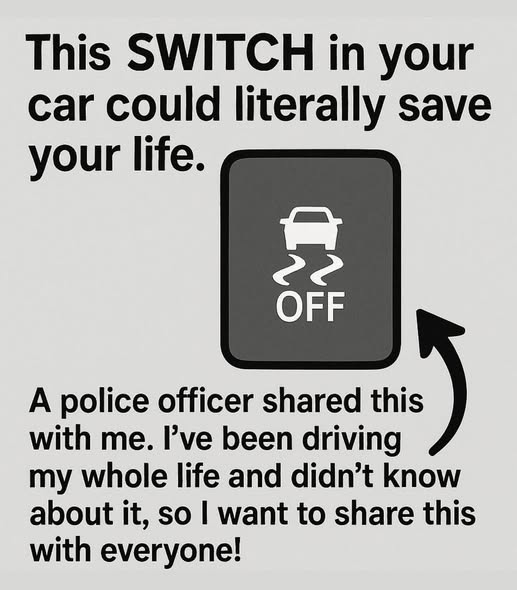
For many people, learning to drive comes with a mix of freedom and anxiety. Even years later, certain situations—like merging into fast traffic or navigating crowded streets—can still feel stressful. That’s why modern vehicles are equipped with safety systems designed to support drivers when confidence dips. Features like seatbelt reminders and alert signals may seem annoying, but they serve an important purpose: helping reduce risk and protect lives. What feels like a small inconvenience is often a built-in layer of protection working quietly in the background.
Beyond the obvious, many cars include lesser-known safety features that can be crucial in emergencies. One of the most important is the emergency trunk release, usually located inside the trunk and designed to glow in the dark. In rare but serious situations—such as being trapped inside a locked vehicle—this feature allows a person to open the trunk from within. Some vehicles also allow access to the trunk through folding rear seats, creating an escape route that many drivers overlook. Taking a few minutes to learn where these features are can make a meaningful difference.
Another unexpected safety tool is the headrest. While it’s mainly designed to support your neck and prevent injury, the metal prongs inside some headrests can be removed and used to apply pressure to a window in an emergency. In certain cases, this can help break a side window if another escape route isn’t available. Not all vehicles make this easy, but understanding what your specific car allows gives you more options when it matters most.
Ultimately, the most effective way to stay safe is through awareness and preparation. Reading your car’s manual, understanding its safety features, and practicing focused driving habits all contribute to a more secure experience on the road. Avoiding distractions, staying alert, and knowing your vehicle inside and out can turn uncertainty into confidence. The more prepared you are, the safer every journey becomes.