
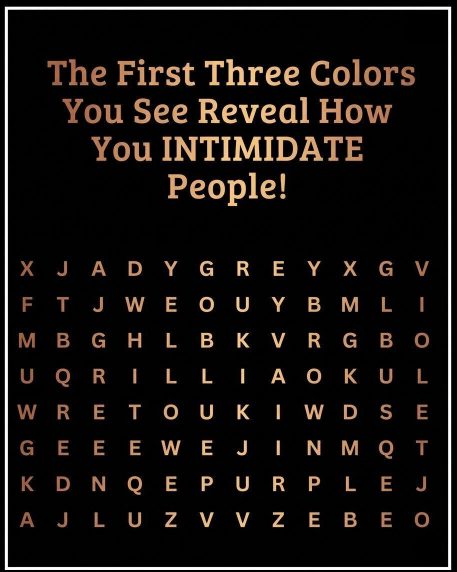
Colors do more than catch the eye—they quietly shape how we feel, how we present ourselves, and how others interpret us. Through the lens of Color psychology, everyday preferences can offer subtle clues about personality and presence. Whether it’s the shade you gravitate toward in clothing, design, or even instinctively noticing a color first, these choices can influence first impressions in ways we rarely stop to consider.
If you pause and think about the first color that draws your attention, it can be an interesting starting point. Gray, for example, is often linked with composure and rational thinking, suggesting a calm and balanced personality. Purple tends to signal creativity and individuality, hinting at someone who values originality. Yellow, on the other hand, is frequently associated with energy and optimism, projecting warmth and enthusiasm—though in some contexts, it can feel intense or attention-grabbing.
The next colors you notice can add depth to the picture. Blue, green, and brown are commonly tied to stability and reliability, reflecting a grounded and thoughtful nature. People drawn to these tones may come across as dependable and trustworthy, qualities that are especially valued in both personal and professional relationships. At the same time, these traits can sometimes be interpreted as reserved, particularly in environments that favor more outward expressiveness.
It’s worth remembering that these interpretations aren’t rules—they’re reflections. Color preferences don’t define who you are, but they can offer a gentle way to explore how you’re perceived and how you connect with others. By becoming more aware of these subtle signals, you can navigate interactions with greater intention, while still staying true to your authentic self.