
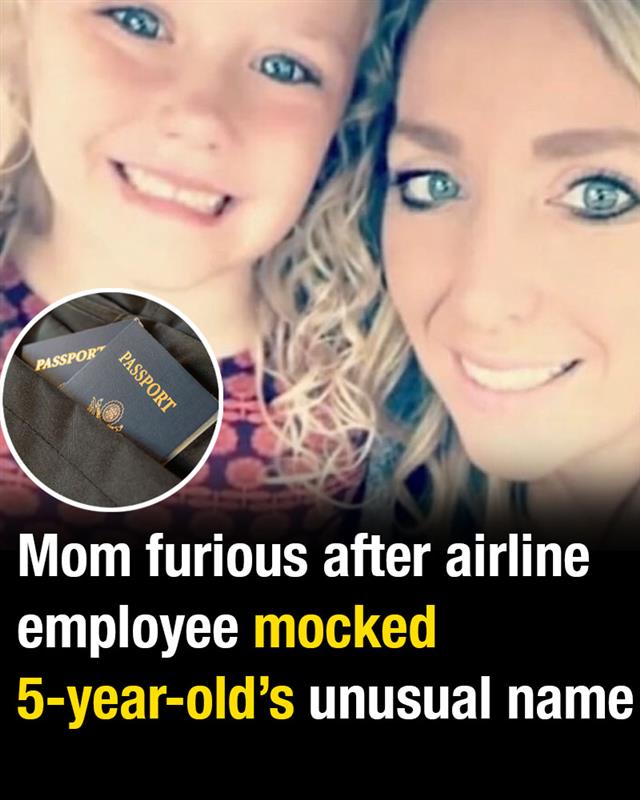
In the rush and noise of an airport, something small can take on outsized meaning. For one family, a boarding pass became more than a travel document—it became a moment that touched a young child’s sense of identity. Traci Redford recalls trying to protect her five-year-old daughter, Abcde, from nearby laughter and gestures, but children are often quick to notice when something feels off. Questions followed, the kind that carry more weight than they should, especially for a child already navigating health challenges and the stress of travel.
What made the situation more painful was the belief that the moment didn’t stay contained. When Traci later discovered that an image of the boarding pass may have been shared online, the experience seemed to stretch beyond the airport, turning a brief encounter into something more lasting. The idea that a private detail could become public added another layer to an already difficult situation.
In response, Southwest Airlines issued an apology, acknowledging that the incident fell short of the respect every passenger deserves. The company also pointed to internal steps, including renewed employee training, as part of an effort to ensure similar situations are handled with greater care in the future. While such measures matter, they don’t erase the emotional impact in the moment it occurred.
What remains is a broader reminder about how easily everyday interactions can shape someone’s experience—especially a child’s. Names, no matter how uncommon, carry meaning, history, and belonging. Moments like this underscore the importance of empathy in shared spaces, where a small choice—to show kindness instead of amusement—can make all the difference.