
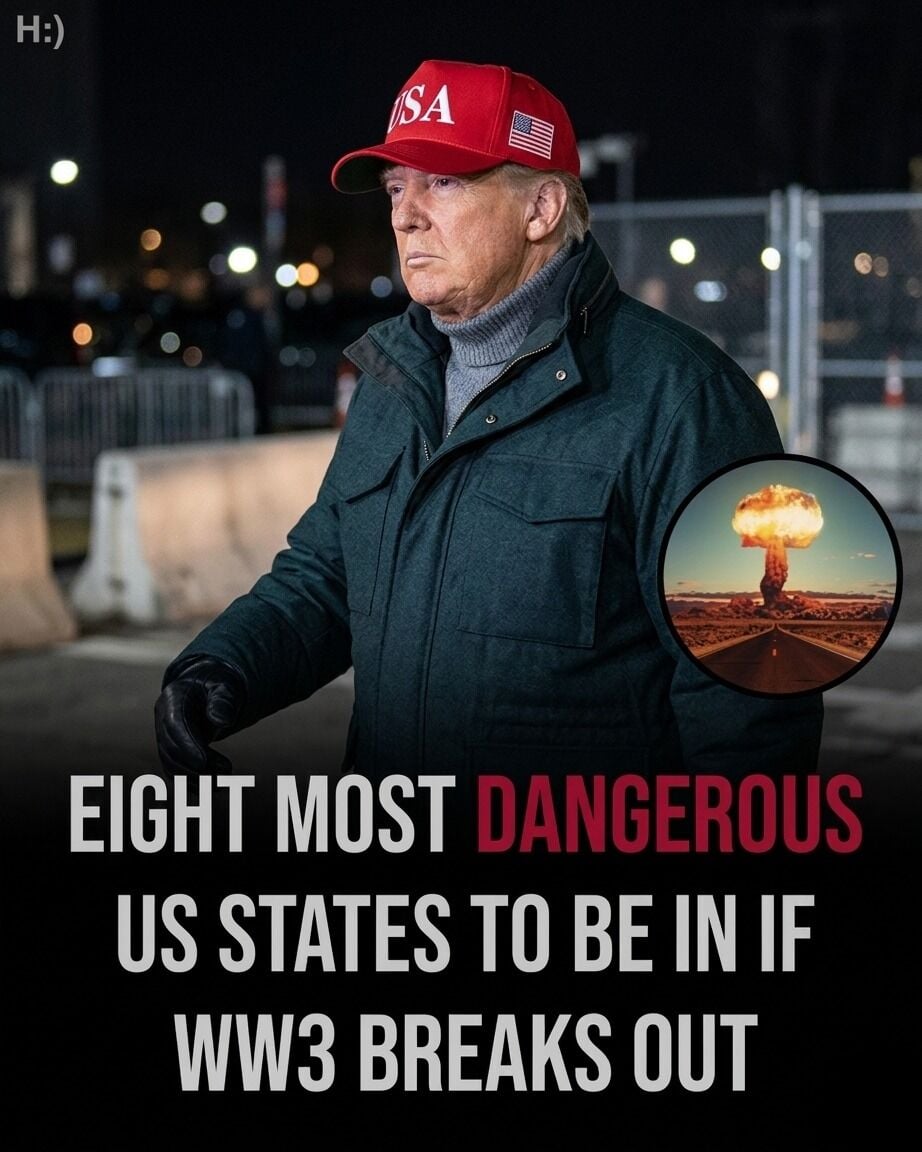
Discussions about nuclear conflict often focus on dramatic imagery, but military planning tends to follow a colder logic. Analysts emphasize that in a hypothetical scenario involving strikes on the United States, targets would likely be chosen for their strategic value rather than population density. Facilities tied to defense—such as command centers, radar systems, and intercontinental ballistic missile (ICBM) silos—are considered critical because they support the nation’s ability to respond. Disrupting those systems could weaken retaliation capabilities early in a conflict, making them more significant from a strategic standpoint than large cities alone.
At the center of this discussion are the land-based missiles that form one leg of the U.S. nuclear triad, alongside submarines and strategic bombers. These silos are largely concentrated in less populated regions across the Great Plains and parts of the Rocky Mountain area. Their placement reflects decades of planning: far enough from major urban centers to reduce immediate risk, yet positioned to ensure broad coverage. However, this distribution also makes them predictable locations, which in theory could draw attention in a strategic scenario.
Scientific modeling has explored what might happen if such sites were targeted, particularly focusing on radioactive fallout. Studies suggest that the heaviest contamination would occur near these installations, especially in states like Montana, Wyoming, Colorado, Nebraska, and North Dakota. But the effects would not remain localized. Because nuclear explosions can send radioactive material high into the atmosphere, wind patterns could carry fallout across vast distances, affecting regions far removed from any initial strike.
Even areas considered relatively lower-risk in these models would still face serious consequences. Experts note that fallout, environmental damage, and disruptions to food, water, and infrastructure could impact the entire country—and potentially beyond. The broader takeaway is not about identifying “safe zones,” but understanding that nuclear events have far-reaching and interconnected effects. In that sense, the consequences extend well beyond any single target, reinforcing why discussions around nuclear policy and prevention remain so critical.