
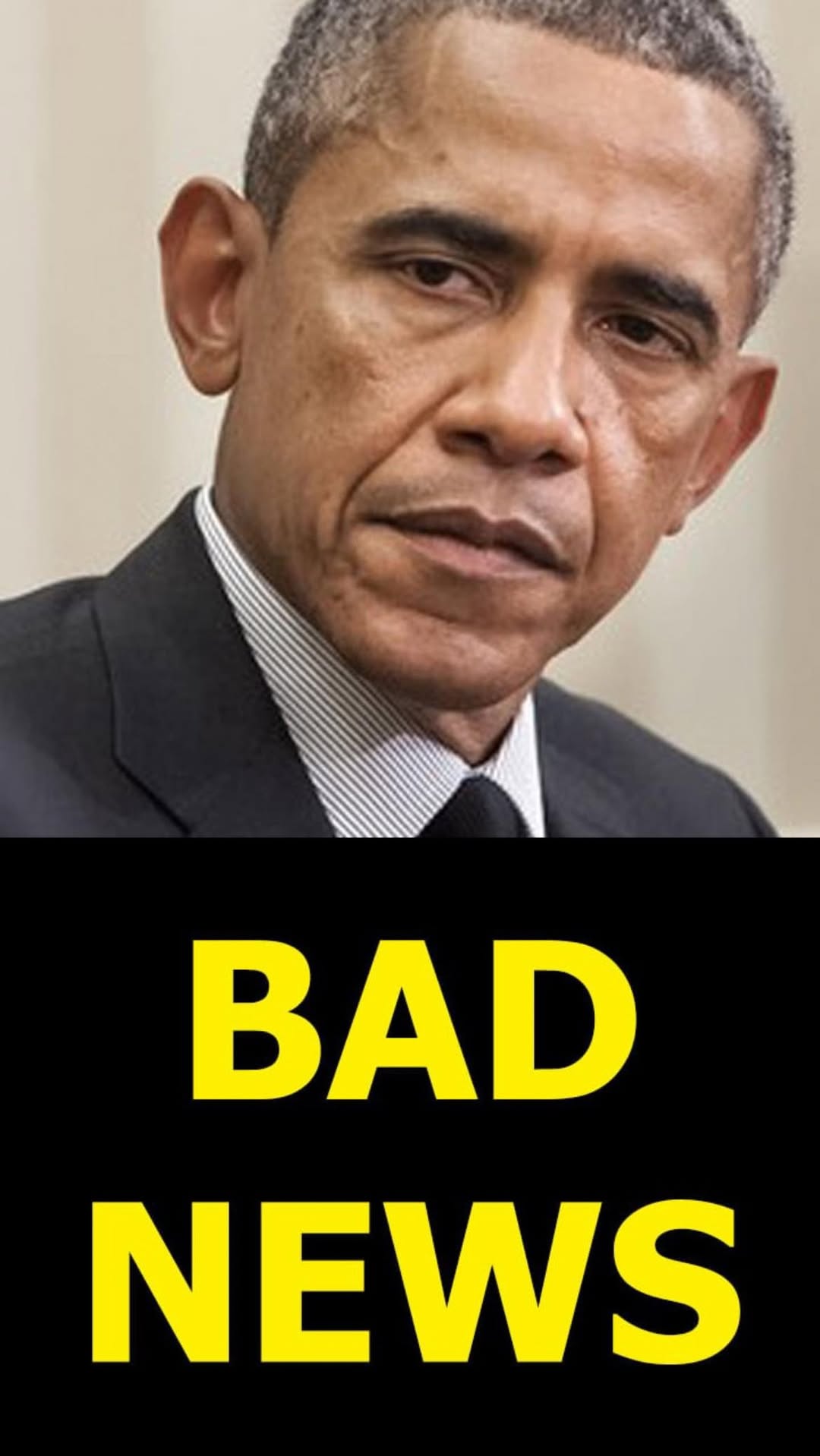
Donald Trump has repeatedly criticized Barack Obama over the Nobel Peace Prize, arguing that his own efforts in international affairs deserved similar recognition. The remarks, resurfacing in a widely shared video, reflect a long-standing tension between the two leaders—one that often centers on achievements in foreign policy and how they are perceived globally.
The Nobel Committee awarded Obama the Nobel Peace Prize in 2009, less than a year into his presidency. At the time, the decision drew both praise and skepticism. The committee cited his emphasis on diplomacy, multilateral cooperation, and nuclear nonproliferation as key reasons for the honor. Supporters viewed the award as recognition of a shift in tone and global engagement, while critics questioned whether it came too early in his administration.
Trump, on the other hand, has argued that his own record—particularly his claims of reducing or resolving international conflicts—should have merited similar recognition. In public remarks, he has pointed to diplomatic efforts and negotiations as evidence of impact, while also questioning the basis for Obama’s award. Critics, however, have challenged some of these claims, noting that complex geopolitical conflicts rarely have clear or singular resolutions.
The debate highlights a broader conversation about how global achievements are measured and recognized. Awards like the Nobel Peace Prize often reflect not only outcomes but also intent, influence, and international perception. As a result, discussions around them can become deeply political, shaped as much by perspective as by policy.