
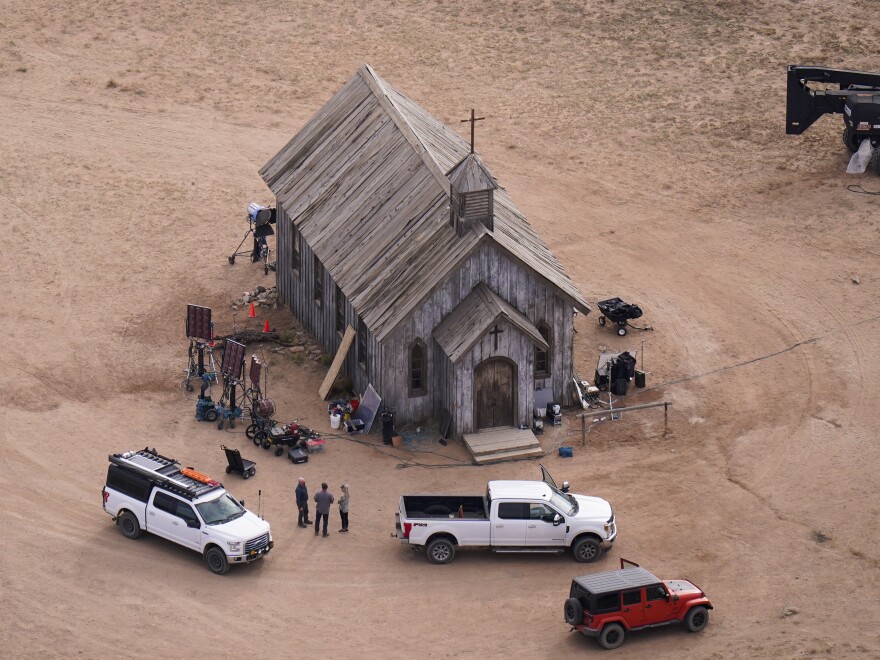
The calm atmosphere of a New Mexico film set was broken by a single, devastating moment that would ripple far beyond the production itself. What began as a routine rehearsal for the independent Western Rust quickly turned into a tragedy that prompted legal scrutiny, industry-wide reflection, and renewed conversations about safety standards. At the center of the incident was Alec Baldwin, whose involvement in the accidental discharge of a prop firearm resulted in the death of cinematographer Halyna Hutchins and injuries to director Joel Souza.
The incident occurred at Bonanza Creek Ranch, where cast and crew were preparing for a scene involving a firearm. Baldwin had reportedly been informed that the weapon was “cold,” a term used in film production to indicate that it contains no live ammunition. However, when the gun was discharged, a live round struck Hutchins and then injured Souza. The suddenness of the event left the set in shock, as crew members rushed to call for help and provide immediate assistance.
Despite emergency efforts, Hutchins later died from her injuries, leaving behind a grieving family and a film community that deeply respected her work. She was widely regarded as a talented and promising cinematographer, known for her creative vision and dedication to her craft. Souza survived, but the emotional impact of the event extended across the entire production, raising difficult questions about how such a situation could occur in a professional environment.
In the aftermath, investigations focused on safety procedures and oversight on set, including the roles of armorer Hannah Gutierrez-Reed and assistant director David Halls. Reports highlighted inconsistencies in how safety protocols were followed, bringing attention to broader concerns within the film industry. The tragedy has since become a turning point, prompting renewed efforts to strengthen safety practices and prevent similar incidents in the future.