
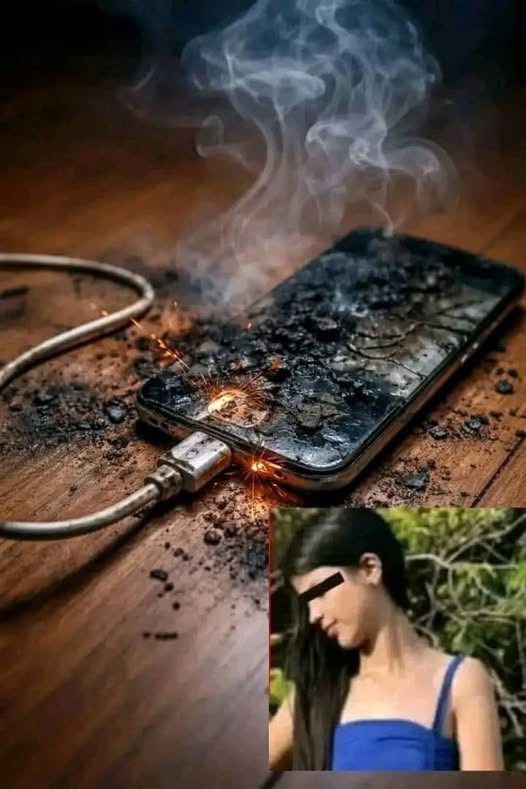
Charging your phone, tablet, or laptop is part of daily life, and when done correctly, it’s typically very safe. Modern devices are designed with built-in protections that regulate how electricity flows into the battery. However, issues can arise when external factors—like low-quality chargers, damaged cables, or overloaded outlets—interfere with that controlled process. Understanding these risks is the first step toward preventing them.
Many common problems come down to equipment and usage. Frayed or bent cables can expose internal wiring, increasing the chance of overheating or electrical faults. Using inexpensive, uncertified chargers may also compromise safety, as they often lack proper protection mechanisms. Another frequent issue is overloading power strips or outlets with multiple high-energy devices, which can generate excess heat over time and strain the system.
Fortunately, there are clear warning signs that shouldn’t be ignored. If a charger feels unusually hot, produces a burning smell, or shows visible wear, it’s best to stop using it immediately. Loose connections or inconsistent charging can also indicate underlying problems. Catching these signs early can prevent more serious situations from developing.
Creating safer habits doesn’t require major changes. Choose certified chargers from trusted brands, check cables regularly for damage, and avoid charging devices on soft surfaces like beds or couches where heat can build up. Keeping charging areas ventilated and unplugging devices when they’re not in use can further reduce risk. With a little awareness and routine care, you can keep both your devices and your home environment safe and reliable.