
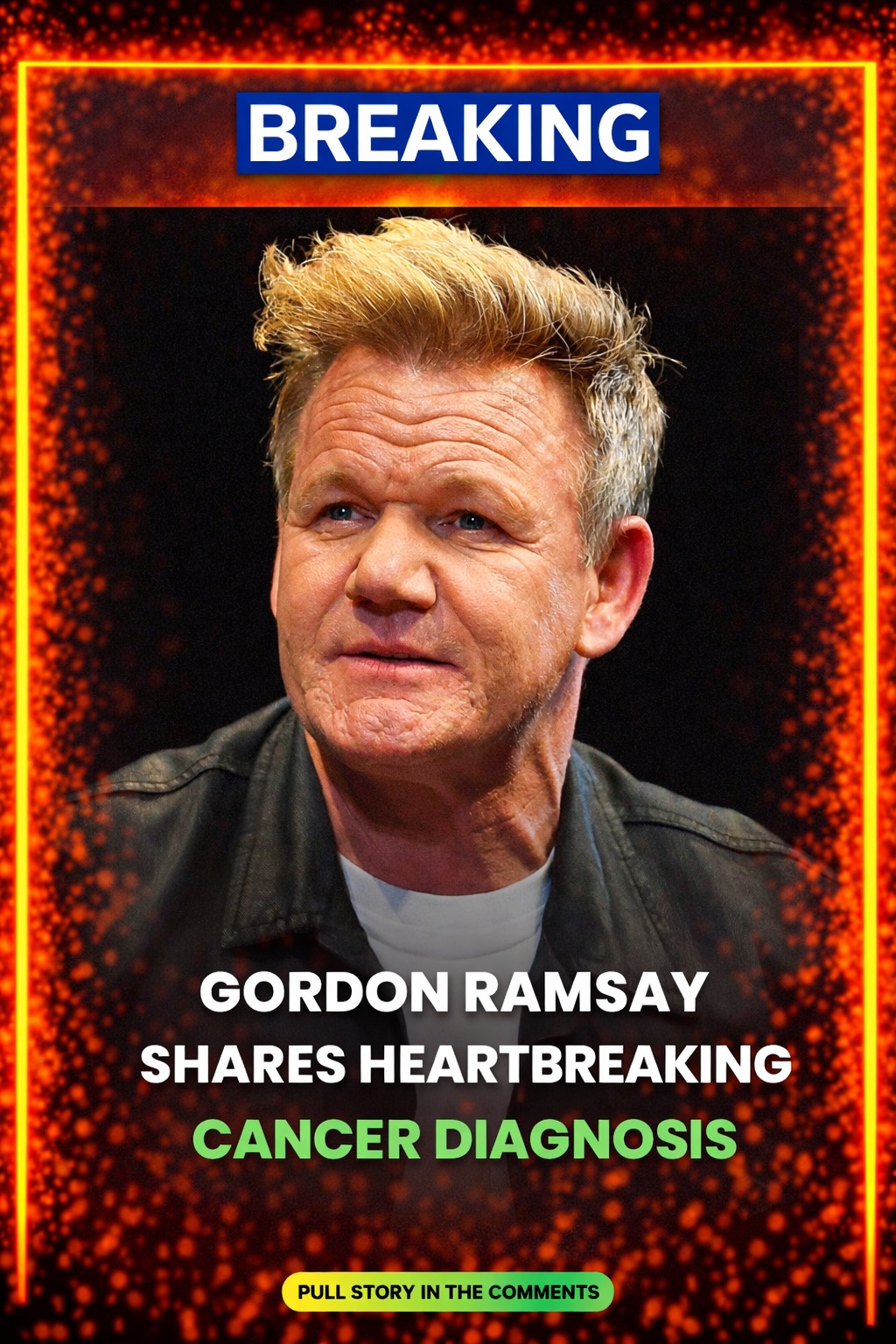
Under the glare of global fame—from a sprawling restaurant empire to hit shows on Netflix—Gordon Ramsay has built a reputation on intensity, precision, and control. But earlier this year, the story shifted in a quieter, more personal direction. At 59, he was diagnosed with basal cell carcinoma, a common yet potentially serious form of skin cancer. The procedure to remove it—just beneath his ear—left a visible scar. Rather than conceal it, he chose to show it, reframing something private into a public reminder.
In sharing his experience, Ramsay struck a tone that balanced honesty with his trademark edge. He thanked the medical team who acted quickly, while also admitting how easily he might have brushed it off. With a touch of humor—clarifying it wasn’t “a facelift”—he underscored a more serious truth: early detection can make all the difference. His message was simple but direct—don’t ignore changes in your skin, and don’t underestimate the importance of sunscreen and regular checks.
The response was immediate and unusually unified. Among the voices were his daughter, Holly Ramsay, organizations like Cancer Research UK, and countless individuals sharing their own stories—some hopeful, others marked by loss. A space that often thrives on criticism instead became something softer: a collective acknowledgment of vulnerability, and a shared understanding of how quickly health can shift.
For someone known for commanding kitchens with fire and force, this moment revealed a different kind of leadership. By speaking openly, Ramsay used his platform not to perform strength, but to highlight something more fragile—and more universal. Health, time, and the small decisions we delay all carry weight. His experience didn’t just raise awareness; it offered a quiet nudge to pay attention before something easy to miss becomes impossible to ignore.