
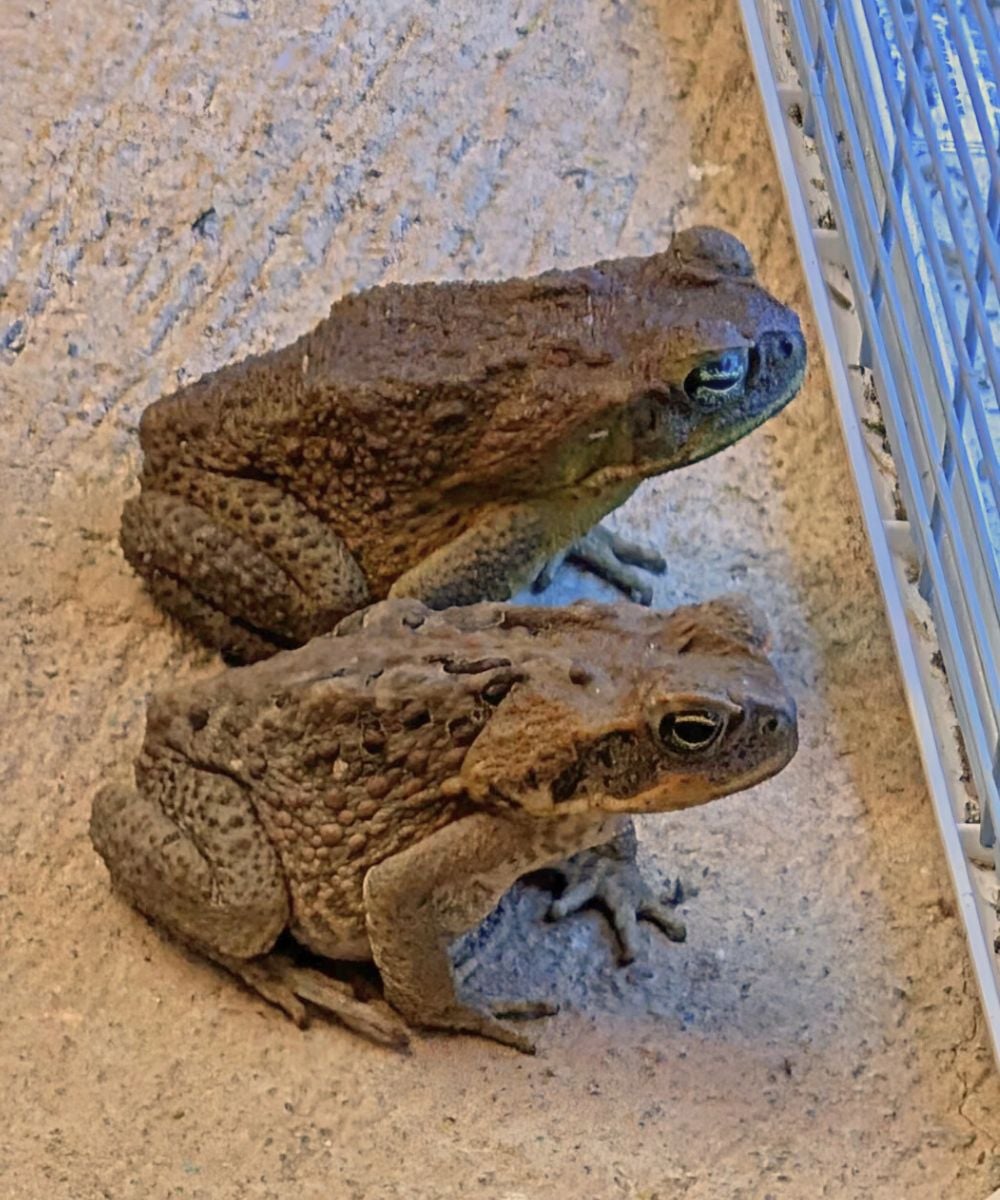
Spotting a toad around your yard or even near your home usually comes down to a few simple things: moisture, shelter, and food. These small amphibians are naturally drawn to gardens, damp soil, shaded corners, and areas where insects gather—especially around outdoor lights on humid evenings or after rainfall. While their appearance might catch you off guard at first, toads are harmless, non-aggressive, and surprisingly helpful. They quietly feed on mosquitoes, flies, and other common pests, making them a natural form of pest control that requires no chemicals or effort on your part.
During the day, toads tend to stay hidden in cool, damp spots—under leaves, near pots, or tucked into soil—emerging at night when temperatures drop and insects are more active. If you notice one returning regularly, it’s often a sign your yard offers a balanced, supportive environment. Rather than being a nuisance, their presence suggests your outdoor space is functioning as a small, healthy ecosystem where different forms of life coexist and support one another.
Beyond their practical benefits, toads have also held symbolic meaning across cultures for centuries. Their transformation from tadpole to adult has long been associated with growth, renewal, and adaptation. In some traditions, they are seen as symbols of opportunity or positive change, while in others they’re thought to represent quiet resilience and the ability to thrive in shifting conditions. These interpretations add another layer of meaning to what might otherwise seem like an ordinary encounter.
Whether you view them through a scientific or symbolic lens, toads are generally a positive presence. They help maintain ecological balance while offering a subtle reminder of how nature works in small, often unnoticed ways. Taking a moment to observe them can deepen your appreciation for the rhythms of your surroundings—and highlight how even the smallest visitors can play a meaningful role in the health of your home environment.