
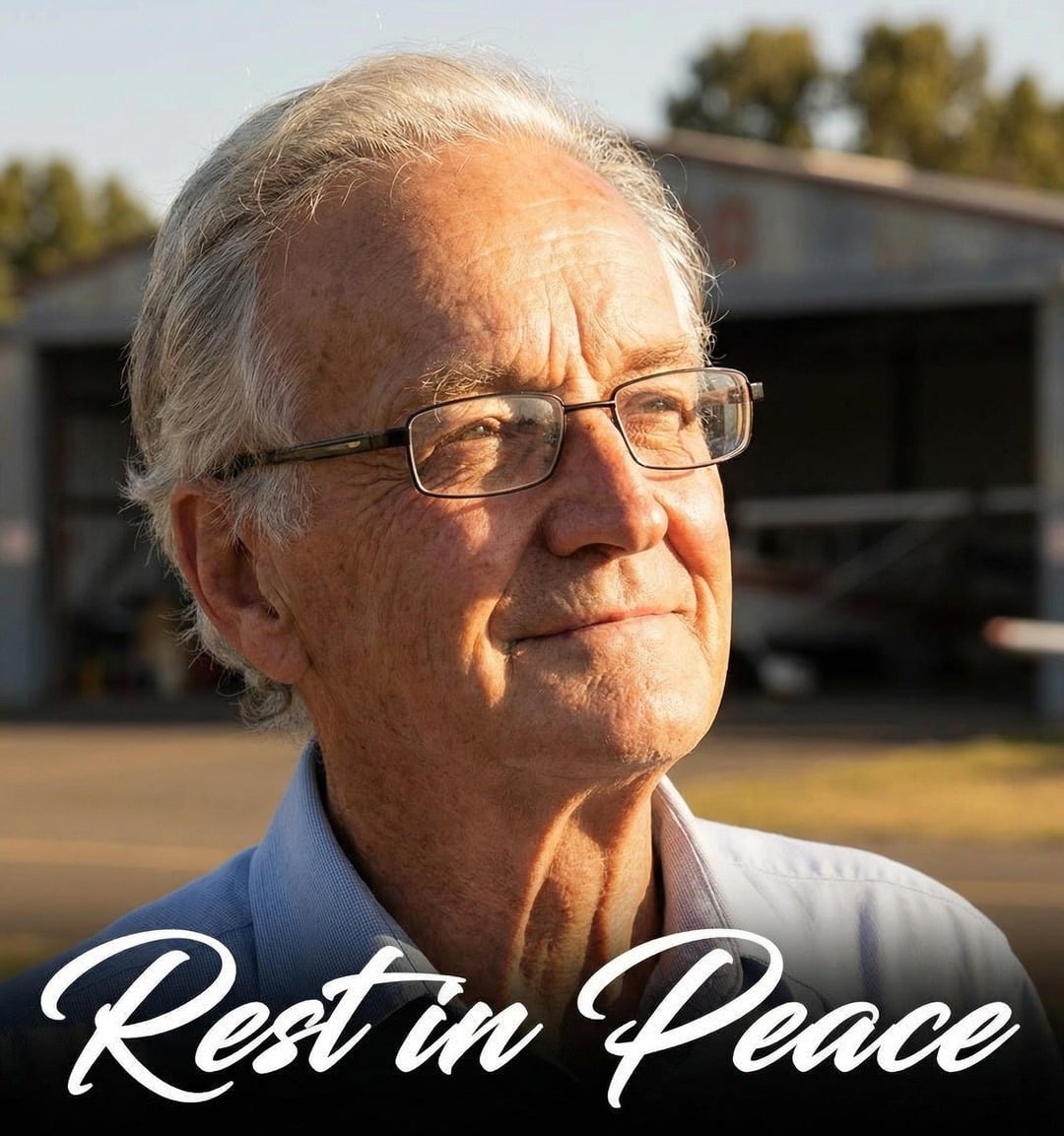
He arrived in East Africa with little more than a notebook, a borrowed truck, and a conviction that elephants were not abstractions, but living members of a shared world. Over time, he learned their patterns—where they traveled, how they responded to threats, how they mourned. He came to understand that matriarchs carry not just leadership, but memory itself, guiding herds across landscapes shaped by generations. When poaching shattered those families, he refused to let the losses fade into silence. Each site he documented became evidence, each record a quiet insistence that these lives mattered.
Turning observation into impact required persistence beyond the field. The data he gathered helped shift global perception, contributing to a growing movement that challenged the acceptability of ivory as a luxury. But his work was never limited to policy alone. He recognized that conservation could not succeed without addressing the realities faced by local communities—people whose livelihoods were often directly affected by the same animals he sought to protect.
That understanding led him into difficult conversations, often far from cameras or headlines. In village meetings and late-night discussions, he listened to concerns about crops destroyed and safety threatened. Rather than dismiss those fears, he worked to find practical solutions—wildlife corridors, shared strategies, and negotiated compromises that aimed to reduce conflict while preserving ecosystems. These efforts were rarely simple or perfect, but they reflected a belief that coexistence, however fragile, was still within reach.
His passing leaves behind more than a record of work; it leaves a responsibility. The systems he helped build, the awareness he raised, and the relationships he fostered now depend on others to carry them forward. His story ultimately asks a quiet but urgent question: whether those who remain will continue the work with the same patience, respect, and determination that defined his life.