
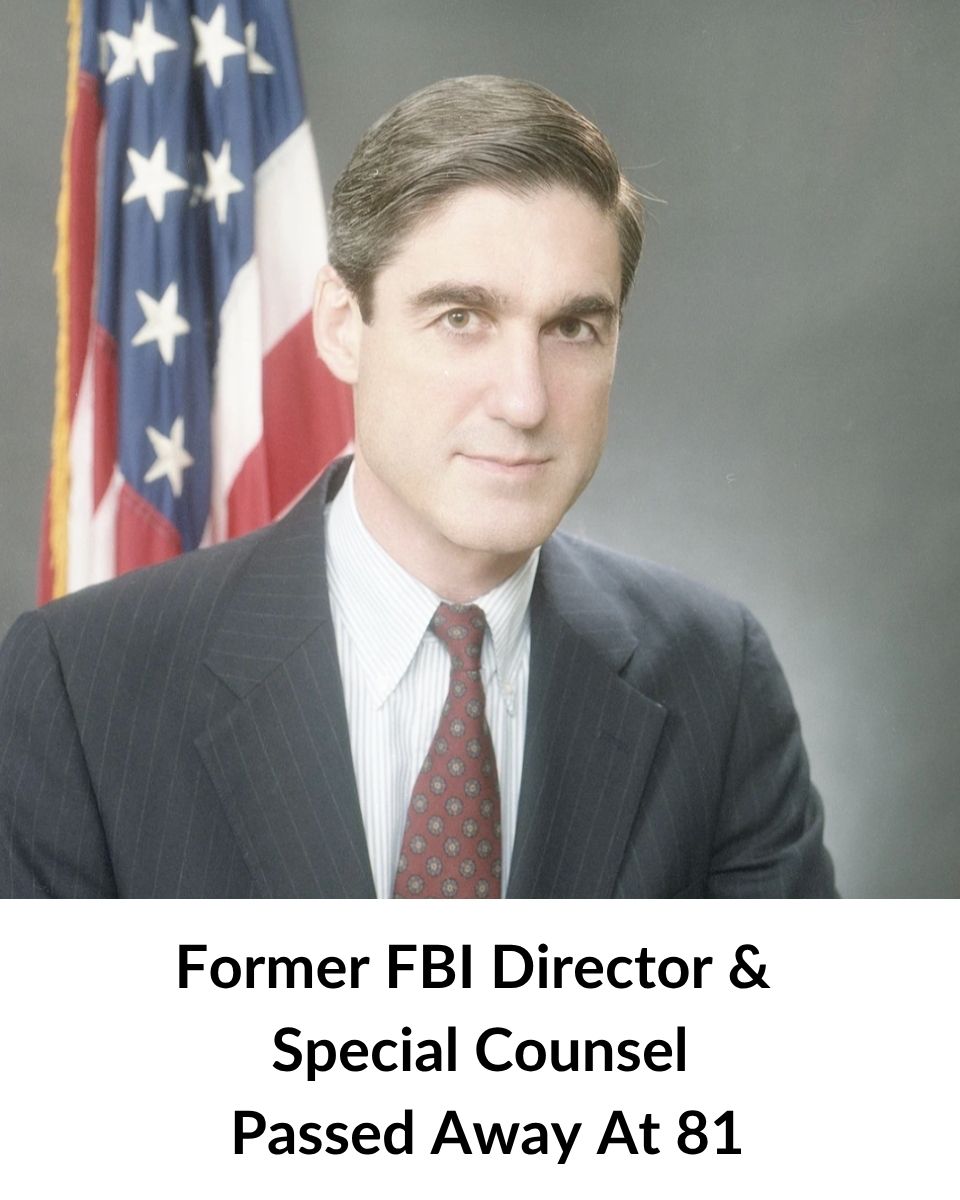
Robert Mueller’s life was shaped by service, discipline, and a deep connection to American public institutions. From military duty in Vietnam to a long career in law enforcement and federal prosecution, he came to represent a style of leadership defined less by charisma than by steadiness. His public image was built on restraint: measured words, formal conduct, and a reputation for staying composed during moments of national stress. Over time, that reserved approach made him a figure many people projected their own expectations onto, especially when political tension ran high.
To understand his legacy, it helps to view his career through the lens of responsibility rather than spectacle. Mueller often occupied roles that demanded caution, patience, and procedural rigor, even when the public wanted drama or certainty. That made him seem dependable to some and frustratingly opaque to others. In an era that rewarded bold declarations, his style remained rooted in institutional process, which gave him credibility in some circles while fueling criticism in others whenever his decisions did not align with partisan hopes.
The most debated chapter of his public life came during the Russia investigation, where his work became a national Rorschach test. Some regarded him as a careful public servant trying to operate within legal and constitutional boundaries. Others believed he stopped short of providing the clarity or accountability many expected. That divide reflects a broader reality of public life: major investigations rarely resolve political conflict as neatly as the public imagines. Even when documents are released and findings are debated, personal judgments, internal deliberations, and unresolved questions often remain out of view.
In the end, Mueller’s story is also a reminder of how institutions function—and where they fall short. Systems endure through records, procedures, and succession, but individuals still carry private assessments that may never become part of the public record. His life leaves behind a portrait of seriousness, duty, and reserve, along with a final lesson that feels especially relevant today: public service can shape history, but it does not always deliver the closure people seek.