
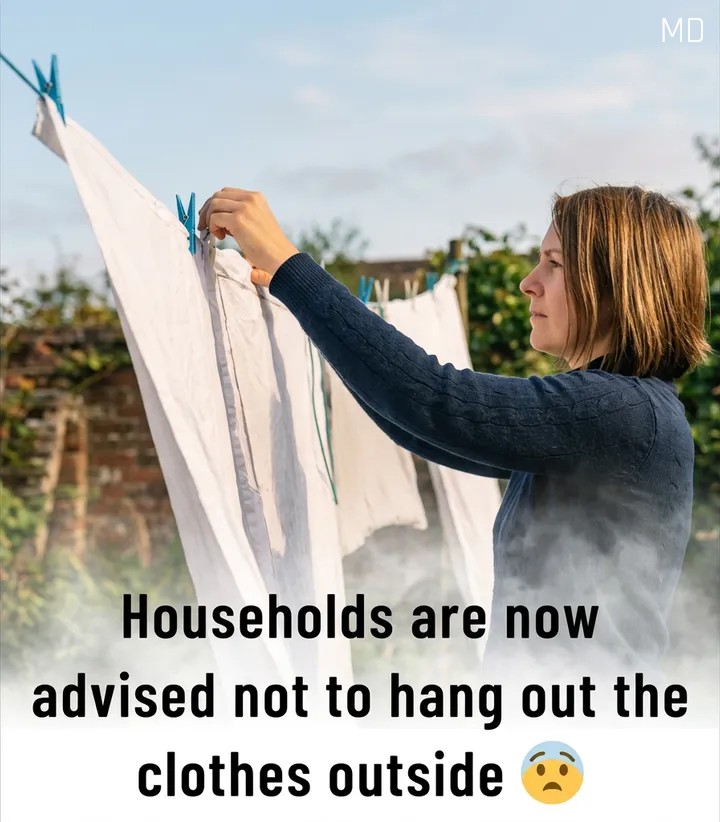
As the weather warms and sunny days become more common, many people return to simple outdoor habits that feel both practical and comforting. Hanging laundry outside to dry is one of those small rituals that can make a day feel lighter. Fresh air, sunlight, and the gentle movement of fabric in the breeze often leave clothes smelling clean and feeling naturally refreshed. It is an easy way to slow down and enjoy the season, while also reducing energy use.
However, for some people, this same habit can come with an unexpected downside. During spring, summer, and even early autumn, pollen levels rise as trees, grasses, and plants release microscopic particles into the air. These particles travel easily and settle on outdoor surfaces, including fabrics left out to dry. While the process still delivers that fresh, sun-dried feel, it can also introduce allergens into the home without being immediately noticeable.
For individuals sensitive to pollen, this can lead to familiar seasonal discomfort. Symptoms such as sneezing, itchy or watery eyes, nasal congestion, and fatigue often become more noticeable during these months. The intensity can vary from mild irritation to more persistent disruption, affecting sleep, focus, and overall comfort. When fabrics carry pollen indoors, exposure may continue even after coming inside, especially when using items like bedding or clothing worn close to the skin.
Fortunately, a few small adjustments can help balance comfort with awareness. Drying laundry indoors on high-pollen days, checking local pollen forecasts, or choosing times when levels are lower—such as after light rain—can reduce exposure. Using a tumble dryer or briefly running outdoor-dried clothes through a dryer cycle can also help remove some particles. By understanding how seasonal conditions interact with everyday routines, it becomes easier to enjoy the benefits of warmer weather while minimizing unwanted side effects.