
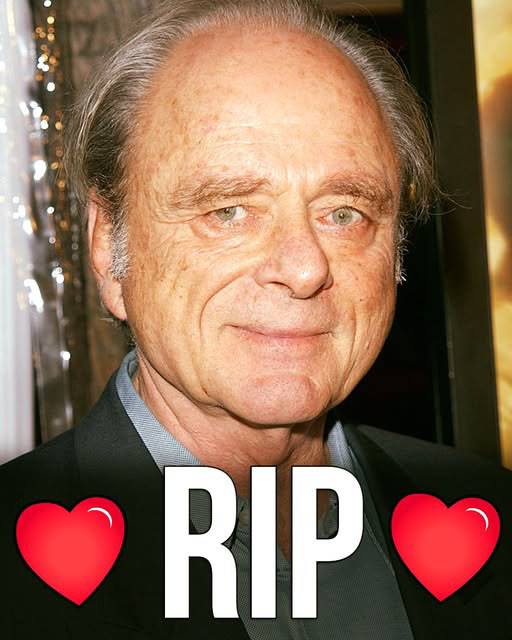
Some actors command attention the moment they appear, not through spectacle but through presence. Harris Yulin belonged to that rare group. Whether in Scarface, Training Day, Ghostbusters II, Frasier, or Ozark, he often stood just outside the spotlight, yet anchored the emotional weight of a scene. His performances were defined by control—subtle, deliberate, and deeply grounded. He didn’t need to dominate the frame; he shaped it, allowing tension and meaning to unfold naturally through restraint.
What made his work enduring was its honesty. There was no excess, no unnecessary flourish—only a careful attention to truth in each moment. Line by line, gesture by gesture, he built characters that felt lived-in rather than performed. That quiet intensity gave his roles a lasting impact, proving that influence in storytelling doesn’t always come from volume or visibility, but from precision and depth.
Beyond the screen, his commitment to the craft extended into teaching. At Juilliard, he approached acting as a serious discipline rather than a path to recognition. Students recall his high standards and his insistence that the work itself mattered above all else. He encouraged a level of focus that demanded both technical skill and emotional awareness, shaping performers who understood that acting is as much about listening as it is about expression.
Harris Yulin’s legacy is not built on celebrity, but on consistency and purpose. He leaves behind not only a body of work, but a philosophy—one that values patience, intention, and respect for the craft. For those who watched him or learned from him, the lesson remains clear: speak with care, listen deeply, and let meaning emerge without force.