
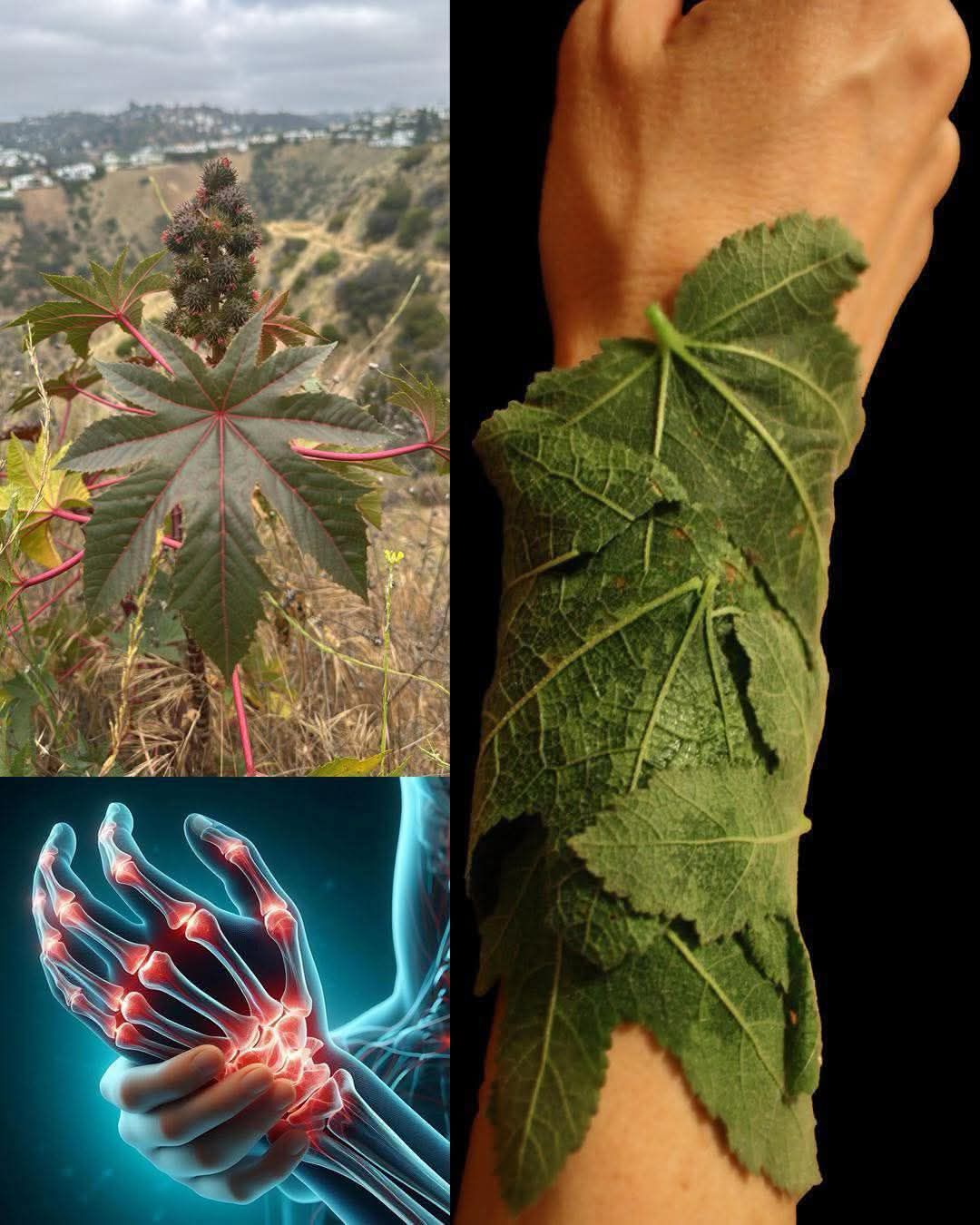
Castor leaves are not as widely recognized as castor oil, yet they have been part of traditional home wellness practices in many cultures for generations. These large, distinctive leaves are often associated with external uses, especially in warm compresses and poultices meant to support comfort and relaxation. Their long-standing presence in folk traditions has kept interest alive among those who enjoy learning about plant-based wellness habits and time-honored natural routines.
Even so, castor leaves should be approached with care and practical awareness. A natural ingredient is not automatically harmless, and traditional use does not guarantee that something is right for everyone. That is why it is important to focus on responsible, external-only applications and to avoid treating herbal practices as a substitute for professional medical advice. When explored thoughtfully, traditional remedies can be part of a balanced lifestyle, but they should always be used with caution and common sense.
In many traditional settings, castor leaves have been used externally for gentle, supportive purposes rather than dramatic results. Warm leaf compresses are among the most commonly mentioned methods, with some people using them as part of a soothing self-care routine. Their appeal often comes from the ritual itself: taking time to rest, apply warmth, and create a calming moment in the middle of a busy day. For those interested in simple wellness practices, this approach can feel grounding and easy to understand.
Castor leaves come from the castor plant, Ricinus communis, which is also known for producing the oil commonly used in beauty and personal care products. While the oil tends to receive most of the attention, the leaves have their own place in traditional external applications. Learning about them offers a broader view of how plants have been used across generations in everyday life. As with any herbal topic, the best approach is an informed one—curious, measured, and centered on safe use.