
What happens in a narrow waterway thousands of miles away can still land squarely in the family budget. With the Strait of Hormuz facing severe disruption, energy markets have reacted fast, sending Brent crude above $100 a barrel and raising concerns about fuel, shipping, and consumer costs around the world. Because roughly a fifth of global oil trade normally moves through that route, any sustained instability there quickly becomes more than a regional story—it becomes a pocketbook issue for drivers, businesses, and economies already under pressure.
The current standoff has also changed how policymakers are talking about risk. California-style headlines about prices at the pump may feel local, but the trigger is global: tanker traffic has been heavily disrupted, alternative export routes are limited, and emergency oil reserves are already being tapped to soften the shock. Analysts have warned that while the damage may stay concentrated in energy rather than spilling into every supply chain, the squeeze is still serious enough to slow growth and keep inflation worries alive.
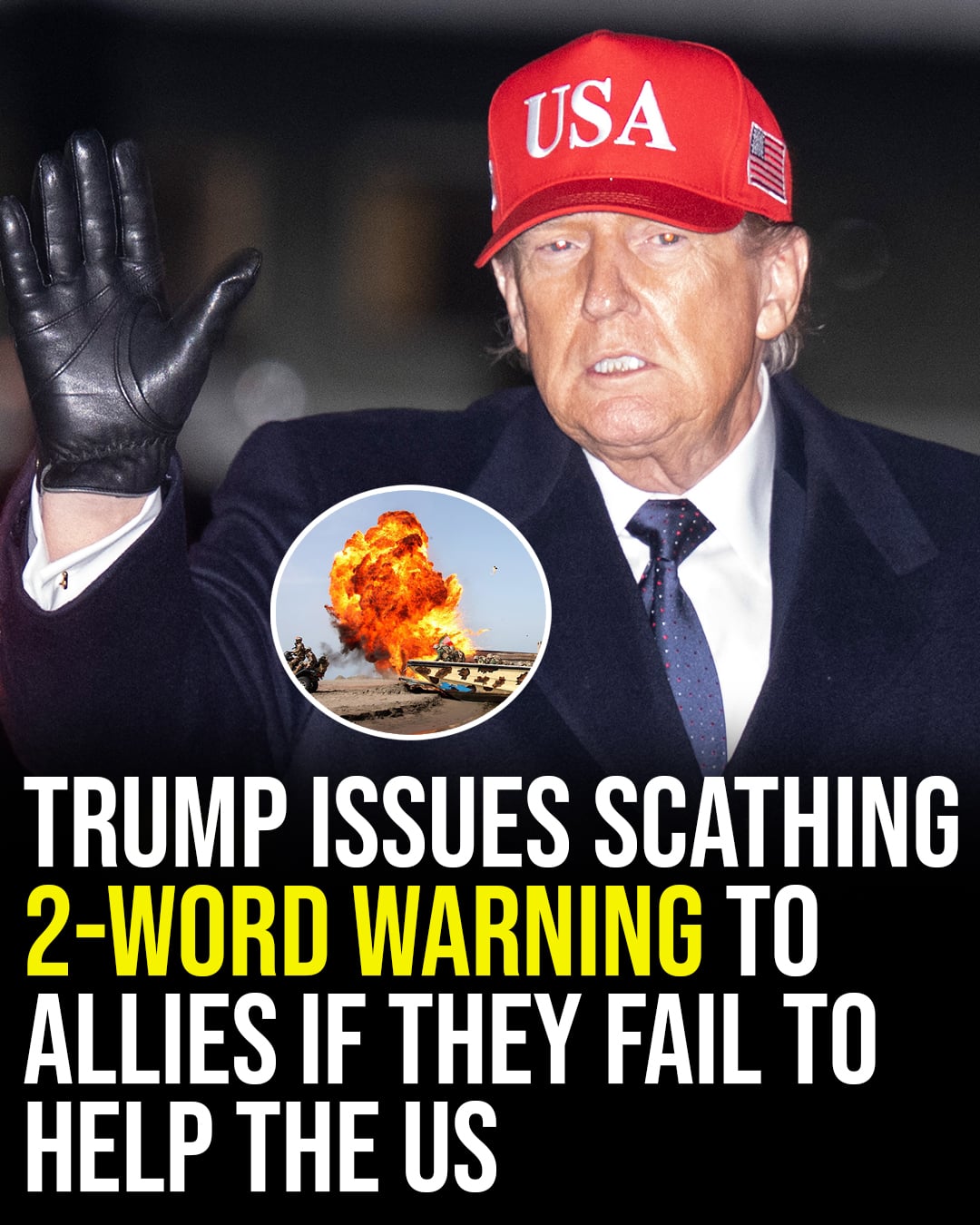
At the political level, the crisis is testing alliances as much as markets. President Donald Trump has publicly pressed NATO partners and major Asian buyers, including China, to help reopen the strait, arguing that countries dependent on Gulf energy should share the burden of protecting it. Recent reporting says he has also raised the possibility of further strikes on Iranian oil infrastructure, a sign that the confrontation is no longer being framed as a short-lived disruption but as a wider strategic contest with consequences far beyond the Gulf.
For most readers, the most important takeaway is not military rhetoric but everyday exposure. When a vital energy corridor becomes unstable, the effects spread outward through transportation, food costs, household expenses, and business planning. That is why the Hormuz crisis feels so consequential: it is a reminder that global security and daily life are often more tightly connected than they appear, and that even distant confrontations can reshape ordinary routines with surprising speed.