
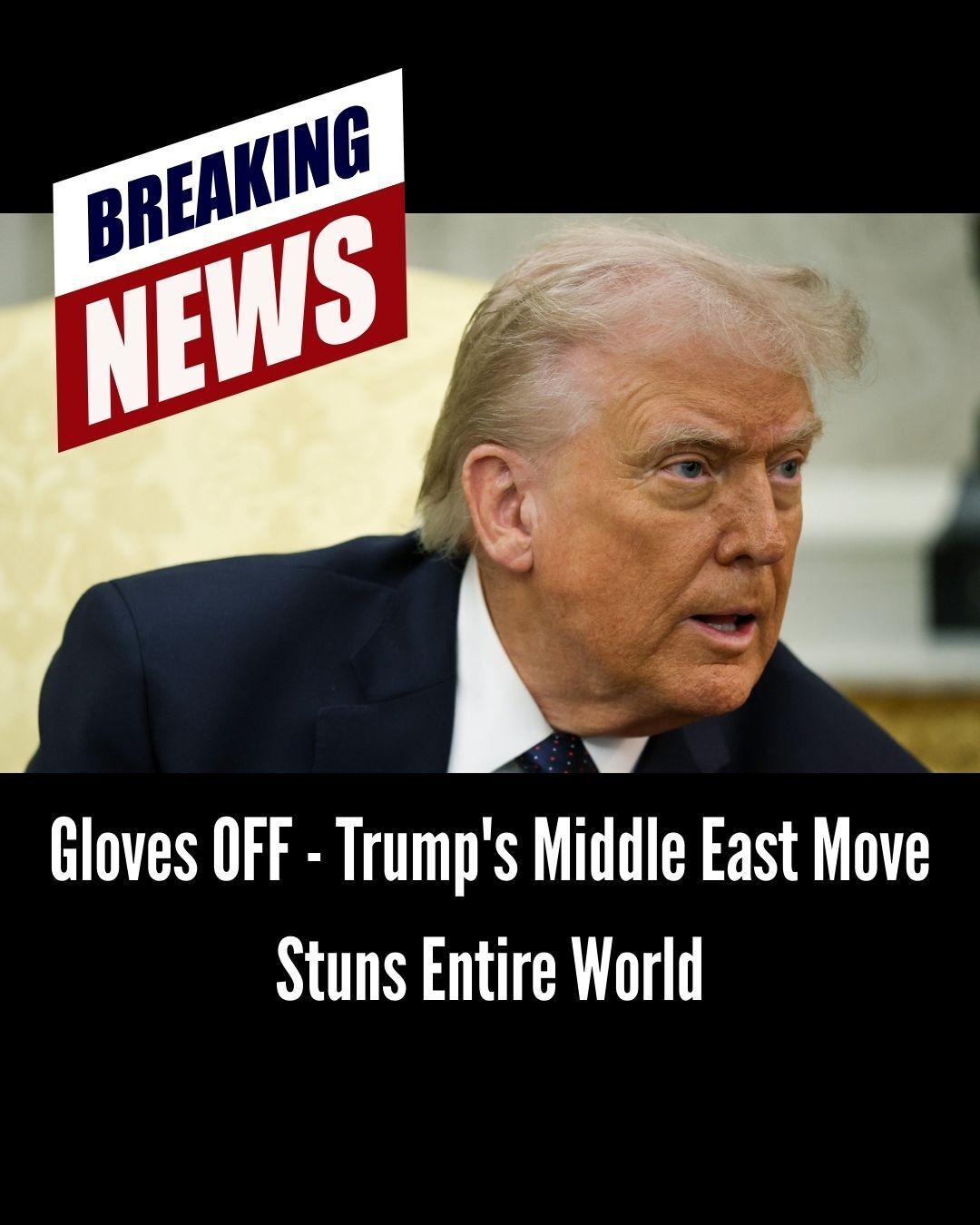
President Donald Trump escalated his public stance on Iran with a Truth Social post declaring that the United States would accept no agreement short of what he called “unconditional surrender.” The phrase, written in all caps, signaled a far more confrontational tone than standard diplomatic language and quickly drew attention because it appeared to shut the door on any negotiated middle ground. The wording was published directly on Trump’s official Truth Social account and was widely reported by major outlets covering the statement.
In the same message, Trump suggested that a different future could follow if Iran accepted those terms. He wrote that, after the selection of “GREAT & ACCEPTABLE Leader(s),” the United States and its allies would help rebuild the country and support its economy. That framing paired a hard-line demand with a promise of long-term recovery, presenting regime change and economic revival as linked parts of the same vision.
Trump also struck an unusually promotional tone about Iran’s future, saying the country could eventually become stronger and more prosperous. He ended the post with “MAKE IRAN GREAT AGAIN (MIGA!),” echoing his familiar campaign-style branding while applying it to a foreign-policy message. The slogan helped the post spread quickly online, where the mix of pressure, optimism, and political branding became part of the broader public reaction.
The statement landed in the middle of already heightened tensions and was interpreted by observers as a sign that Trump was favoring maximalist public pressure over compromise. Reuters reported that his “unconditional surrender” rhetoric complicated diplomatic efforts and reinforced the perception that Washington was not pursuing a conventional negotiated off-ramp at that moment. Whether the message was intended as a bargaining tactic or a fixed condition, it clearly marked a sharper turn in the administration’s public posture toward Iran.