
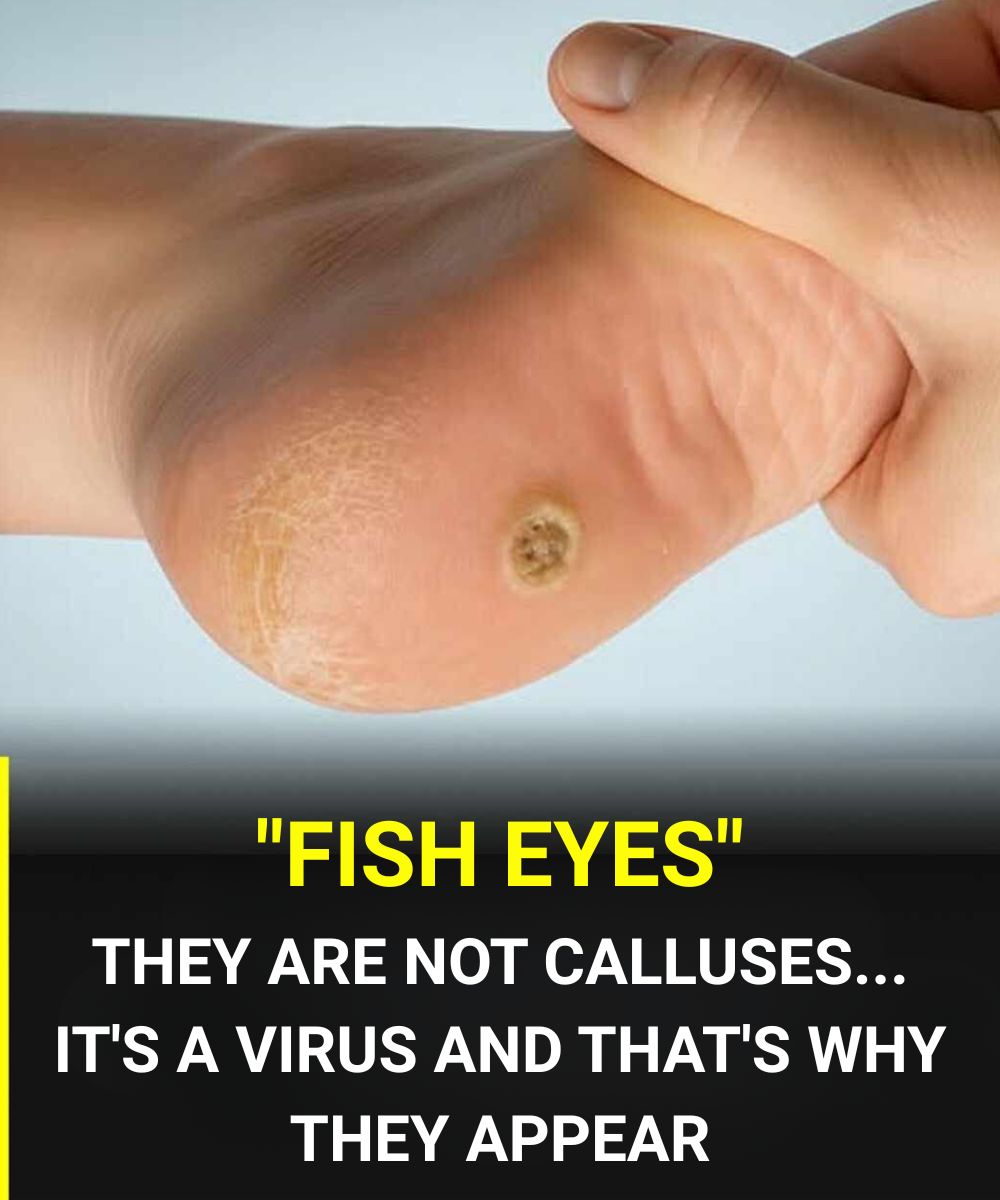
Many people spot a thick, rough patch on the bottom of the foot and assume it is just a callus. In many cases, that is true, but not every hardened area of skin comes from pressure alone. One of the most commonly confused look-alikes is the plantar wart. Because both can appear on the sole of the foot and both may feel firm to the touch, it is easy to mistake one for the other. Knowing the difference matters, since each condition develops for a different reason and may need a different kind of care.
A callus usually forms as the body’s natural response to repeated rubbing or pressure. It often develops in spots that تحمل the most weight during walking or standing, or where shoes consistently create friction. Over time, the skin builds up extra layers to protect itself, creating the thickened texture many people recognize. Plantar warts, by contrast, are caused by the human papillomavirus, or HPV, which enters through tiny breaks in the skin and triggers abnormal tissue growth on the foot.
One helpful way to tell them apart is by looking closely at the surface and paying attention to discomfort. Calluses tend to feel evenly thick and are often less painful unless direct pressure continues. Plantar warts may interrupt the natural lines of the skin and can sometimes show tiny dark dots, which are small clotted blood vessels. They may also hurt more when squeezed from the sides, while calluses are usually more sensitive under straight downward pressure from walking or standing.
If a patch on the foot is not improving, becomes painful, or seems unusual in shape or texture, it is a good idea to have it checked by a medical professional. Proper identification can make treatment more effective and help prevent ongoing irritation. Paying attention early can save time, reduce discomfort, and support healthier feet in the long run.