
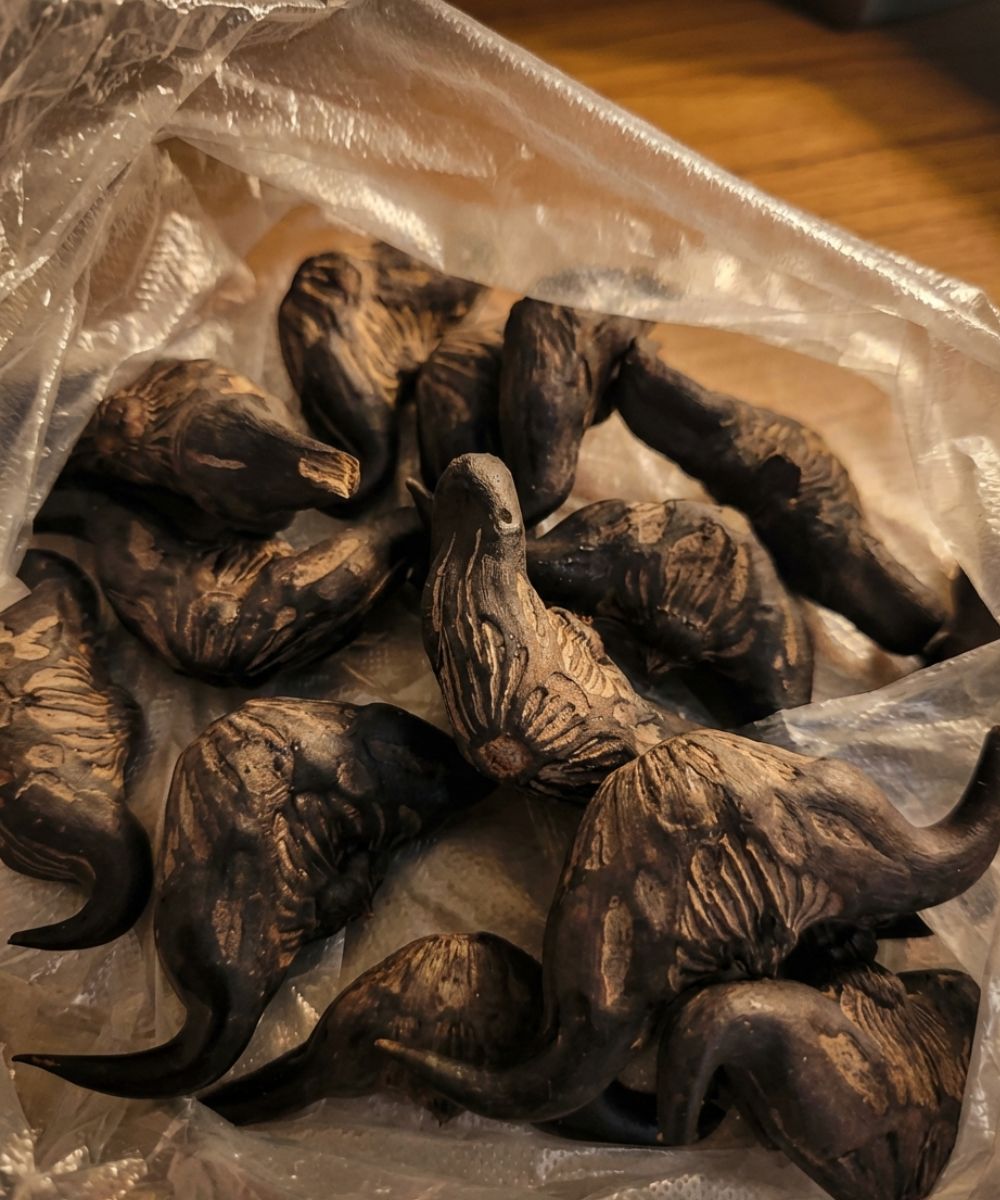
For centuries, wild forest roots have helped people survive difficult times. In many parts of the world, communities turned to them during famine, natural disasters, or periods when cultivated food was scarce. Some roots also became part of traditional healing practices, passed down through generations of observation and experience. Knowledge about which plants were safe—and how to prepare them—was carefully preserved within families and local cultures.
Today, however, experts warn that eating wild roots without proper knowledge can be dangerous. Many roots found in forests closely resemble familiar foods like yam, ginger, or taro. At first glance, they may appear harmless or even edible. Yet some plants that look similar to common vegetables contain natural toxins that can cause serious illness if they are consumed or prepared incorrectly.
Plants naturally produce chemical compounds to protect themselves from insects, animals, and environmental threats. These substances act as a defense system, helping the plant survive in the wild. In certain species, the roots store particularly concentrated versions of these chemicals. If a root is misidentified or eaten without the right preparation, those compounds can irritate the digestive system or affect other parts of the body.
Because of these risks, botanists and food safety specialists strongly advise against collecting and eating wild roots unless they have been positively identified by trained experts. Even experienced foragers rely on detailed knowledge and caution when working with wild plants. While forests can offer valuable natural resources, understanding which plants are safe—and which are not—is essential for protecting health.