
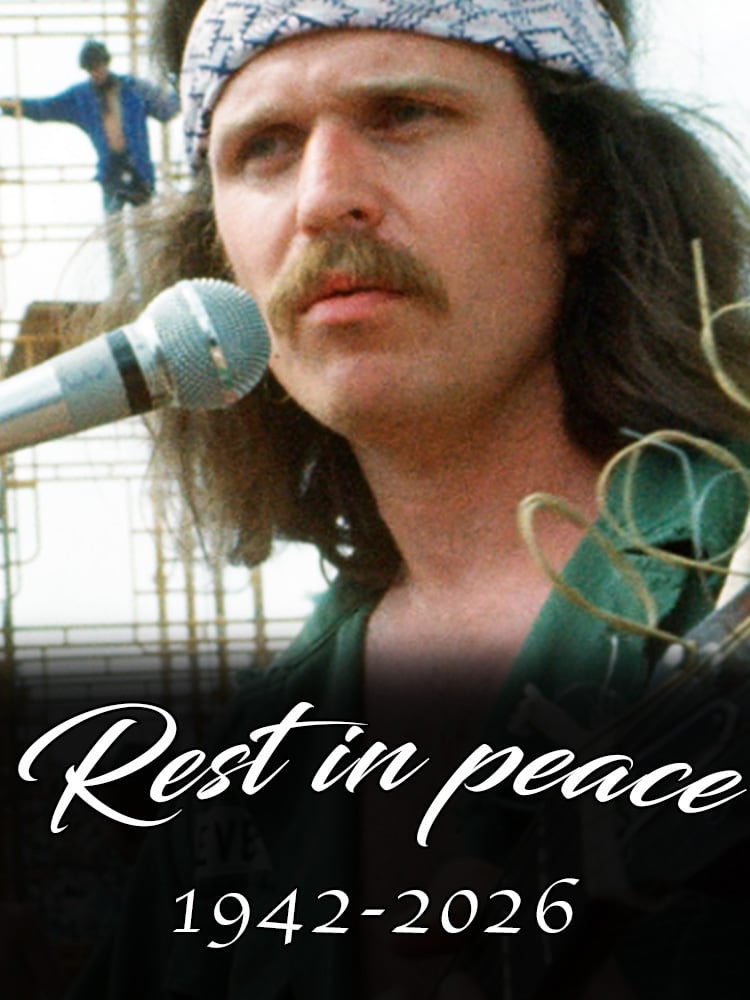
He began life as Joseph Allen McDonald, a young man shaped by the music and ideals of folk legend Woody Guthrie. Before the stages and crowds, he spent time in the U.S. Navy, but his path soon shifted toward music and activism. In the vibrant and politically charged atmosphere of Berkeley, California, he discovered how powerfully songs could capture the spirit of an era. Blending folk traditions with rock energy and pointed social commentary, he helped create a sound that resonated with a generation searching for both expression and change.
As the frontman of Country Joe and the Fish, McDonald gained widespread attention during the 1960s for music that reflected the anxieties and convictions of the time. Their song “I-Feel-Like-I’m-Fixin’-to-Die Rag” became one of the most recognizable protest anthems of the Vietnam War era. With sharp humor and an unmistakable chorus, the song spoke to soldiers, activists, and ordinary listeners who were grappling with the realities of a world in conflict.
His performance at the 1969 Woodstock festival cemented his place in music history, but McDonald never treated that moment as a final peak. In the decades that followed, he continued writing songs, performing, and advocating for causes he believed in. His work often supported veterans, environmental protection, and efforts promoting peace. For McDonald, music remained more than entertainment—it was a way to keep conversations about justice, responsibility, and compassion alive.
On March 7, 2026, McDonald passed away at his home in Berkeley after living with Parkinson’s disease. He was surrounded by his wife, Kathy, and a large family who shared in the life he built beyond the stage. While his passing marks the end of a remarkable journey, his music continues to speak to listeners who once found courage and solidarity in his songs. For many, his legacy lives on in the belief that art can challenge the world to become something better.