
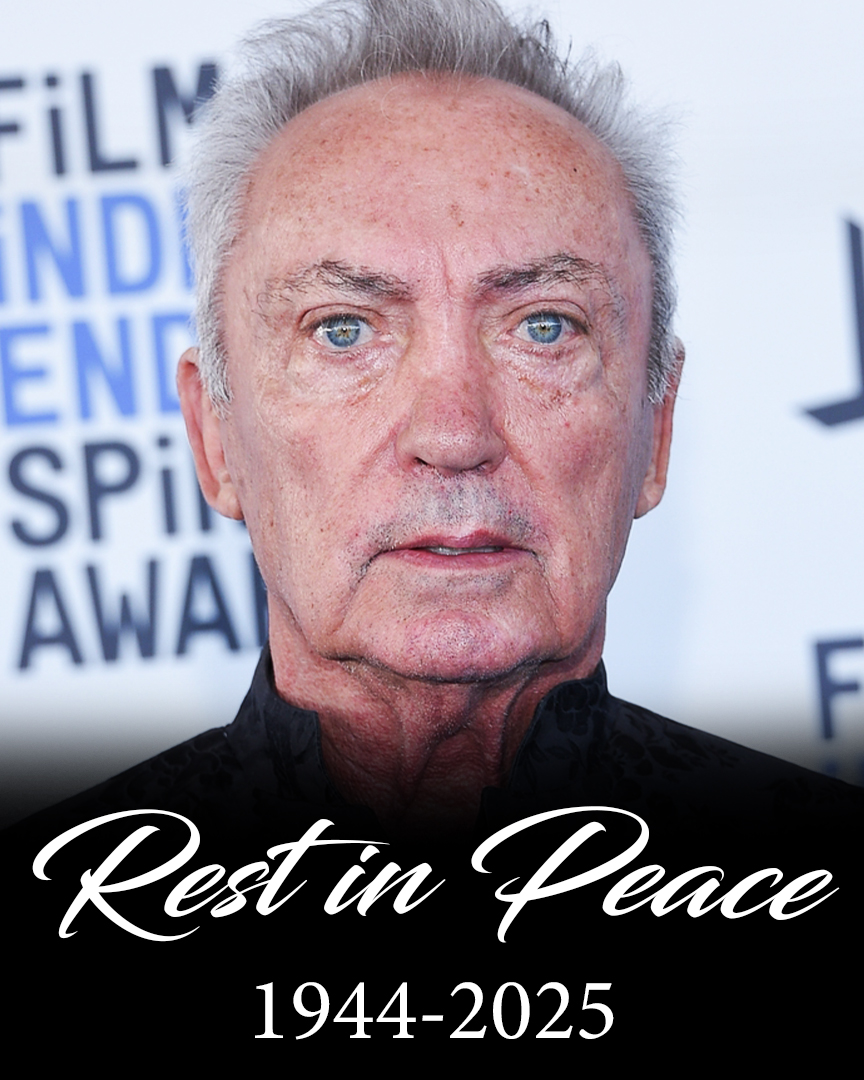
He entered the world quietly, born into the uncertainty of wartime Europe, and grew up amid the harsh realities of postwar life. Hunger, cold apartments, and the absence of a father shaped his earliest years. Yet even in those difficult circumstances, there was a sense that something within him was preparing for a different stage. When opportunity appeared unexpectedly in a London café, he seized it without hesitation. From that moment on, he stepped into the frame of cinema and built a career defined by intensity and unmistakable presence.
On screen, Udo Kier became known for portraying characters that lived on the edge of comfort and convention. He had a rare ability to transform unsettling figures into something strangely human, drawing viewers into stories that blurred the line between sympathy and discomfort. His performances often invited audiences to look more closely at the darker or more complicated sides of human nature, challenging them to see complexity where they might have expected only distance.
What truly set Kier apart, however, was his willingness to explore roles that others might have avoided. Throughout his career, he embraced characters who existed outside the mainstream—outsiders, rebels, and people navigating identity in difficult circumstances. By bringing depth and dignity to these portrayals, he helped widen the scope of stories that could be told on screen, allowing marginalized perspectives to appear with greater honesty and nuance.
Later in life, Kier found a quieter rhythm in the desert landscapes of California, where vibrant colors and open spaces offered a sense of calm after decades in front of the camera. Yet even there, his artistic spirit remained unmistakable. While every life eventually reaches its final curtain, the work he left behind continues to resonate. Through film, his distinctive gaze and fearless performances remain, reminding audiences of an actor who never shied away from confronting the unfamiliar.