
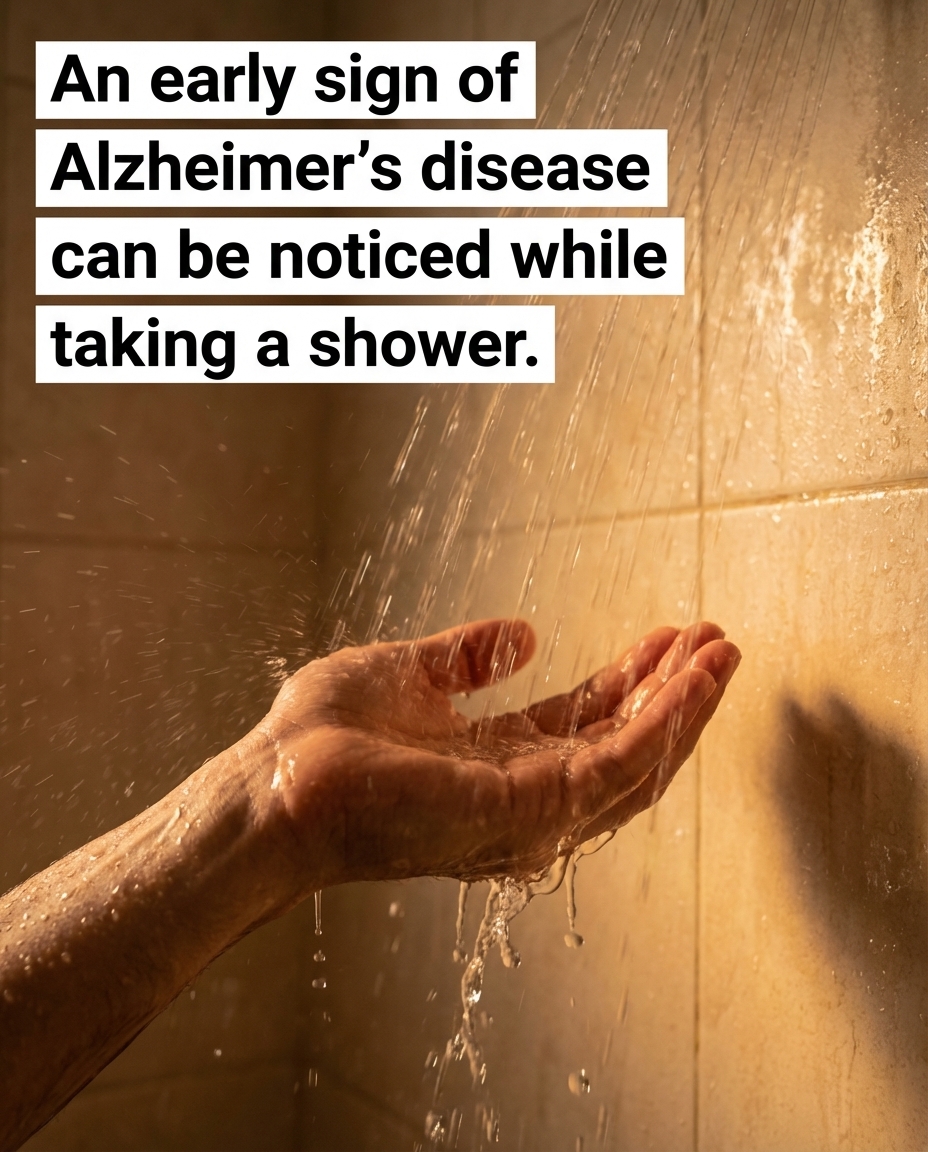
Most people rarely pause to think about the scent of their everyday soap or shower gel. It’s simply part of a routine that feels constant and familiar. But if that recognizable fragrance suddenly seems weaker—or disappears entirely—it may be worth taking note. Some health researchers suggest that subtle shifts in the ability to recognize common smells can occasionally signal changes in brain function. Professor Davangere Devanand, a psychiatrist and neurologist at Columbia University, has noted that difficulty identifying familiar scents may sometimes appear before other signs linked to cognitive decline.
Scientists have spent years examining how the sense of smell connects to the brain. The olfactory system, which processes scents, is closely tied to regions such as the hippocampus and the amygdala—areas responsible for memory and emotional processing. Interestingly, these same regions are among the first affected in neurological conditions like Alzheimer’s disease. Because of this connection, researchers believe that trouble recognizing everyday smells may sometimes appear earlier than more obvious cognitive symptoms.
The change is not limited to noticing soap in the shower. Some individuals report that aromas from food seem less distinct, flowers no longer smell as strong, or perfumes that once felt familiar are harder to identify. In some cases, scents may even begin to blend together or seem unusually faint. However, experts stress that many factors can influence the sense of smell, including normal aging, seasonal allergies, sinus infections, and temporary illnesses.
Several studies have explored the link between smell and brain health in more detail. Research from Columbia University found that older adults who struggled to identify common scents were more likely to experience cognitive changes in later years. Because smell tests are simple and non-invasive, scientists are exploring whether they could serve as an early screening tool for neurological changes. Still, specialists emphasize that noticing a change in smell does not automatically point to a serious condition—but paying attention to subtle shifts in the body can be an important step toward protecting long-term brain health.