
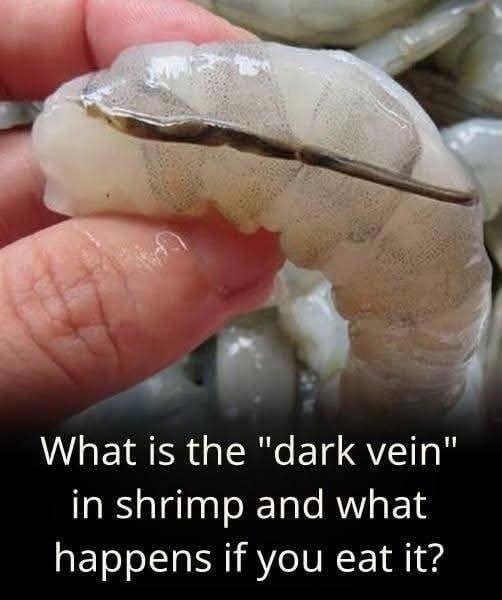
When preparing shrimp, many cooks notice the dark line that runs along the back and assume it’s a vein. In reality, that line is the shrimp’s digestive tract — a narrow tube that carries partially digested food and waste. It earned the nickname “vein” simply because it resembles a small blood vessel, but shrimp don’t have veins in the same sense humans do. When shrimp are cleaned and cooked properly, this tract generally isn’t dangerous to eat. The main concerns are usually about flavor, texture, and presentation rather than safety.
In larger shrimp, the digestive tract can sometimes contain bits of sand or grit collected from the ocean floor. When left in place, this can create a slightly grainy texture that some people find unpleasant. It can also subtly affect the taste, especially in dishes where the shrimp’s natural flavor is meant to stand out. For that reason, many chefs prefer to remove the tract from bigger shrimp to ensure a cleaner bite.
Deveining shrimp is actually a simple process. After peeling the shell, use a small knife to make a shallow cut along the back of the shrimp. This exposes the dark line, which can then be lifted out with the tip of the knife or rinsed away under running water. The process takes only a few seconds per shrimp and can noticeably improve the final texture in certain recipes.
That said, deveining isn’t always necessary. Smaller shrimp used in soups, stews, pasta sauces, or stir-fries are often cooked without removing the tract because it’s barely noticeable. Understanding what that dark line actually is — and when it matters — helps remove the mystery from shrimp preparation and allows cooks to make confident choices in the kitchen.