
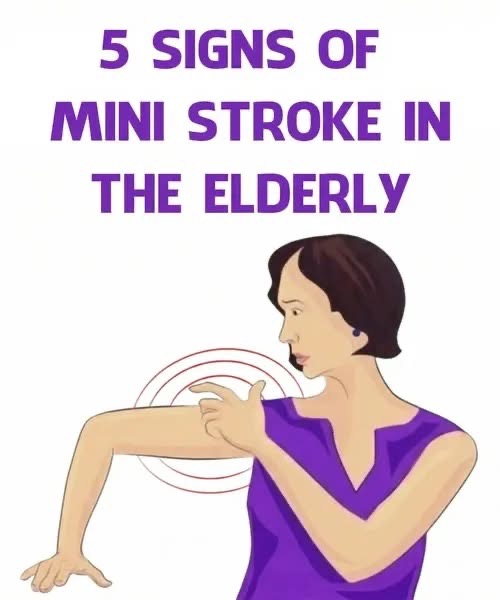
Most people associate strokes with sudden, dramatic symptoms, but the body often whispers before it screams. In the days or even weeks leading up to a serious event, subtle signals may begin to surface. One of the earliest red flags can be weakness or numbness on one side of the body. You might notice tingling in an arm, leg, hand, or even part of the face. It can feel minor at first—easy to blame on fatigue or a pinched nerve—but persistent or worsening one-sided symptoms deserve immediate attention. When blood flow to the brain becomes restricted, even briefly, the body may send these quiet but critical alerts.
Changes in vision are another warning many people overlook. Blurred sight, double vision, trouble focusing, or short episodes of vision loss can come and go without pain. Because these disturbances may be temporary, they’re often dismissed as eye strain or stress. However, the brain plays a central role in processing what we see, and any interruption in circulation can affect visual clarity. Paying attention to sudden or unexplained changes in eyesight—and seeking medical evaluation promptly—can make a life-saving difference.
Unusual headaches can also signal that something more serious is developing. A severe or unfamiliar headache, especially when paired with neck stiffness, nausea, or sensitivity to light, should not be ignored. Some individuals also report dizziness, difficulty walking, or a sensation that the room is spinning. Loss of balance or coordination may appear before a major event occurs. In some cases, brief episodes known as transient ischemic attacks (often called “mini-strokes”) cause temporary stroke-like symptoms that resolve within minutes or hours. Even if symptoms disappear, they are medical emergencies and may indicate a higher risk of a larger stroke ahead.
Speech difficulties and breathing changes can round out the list of important warning signs. Slurred speech, trouble finding words, confusion, or difficulty understanding others are all signals that require urgent care. Shortness of breath combined with neurological symptoms should also prompt immediate medical evaluation. Acting quickly is crucial—early treatment can significantly reduce long-term damage and improve recovery outcomes. If something feels off, trust your instincts and seek professional help right away. When it comes to stroke, every minute truly matters.