
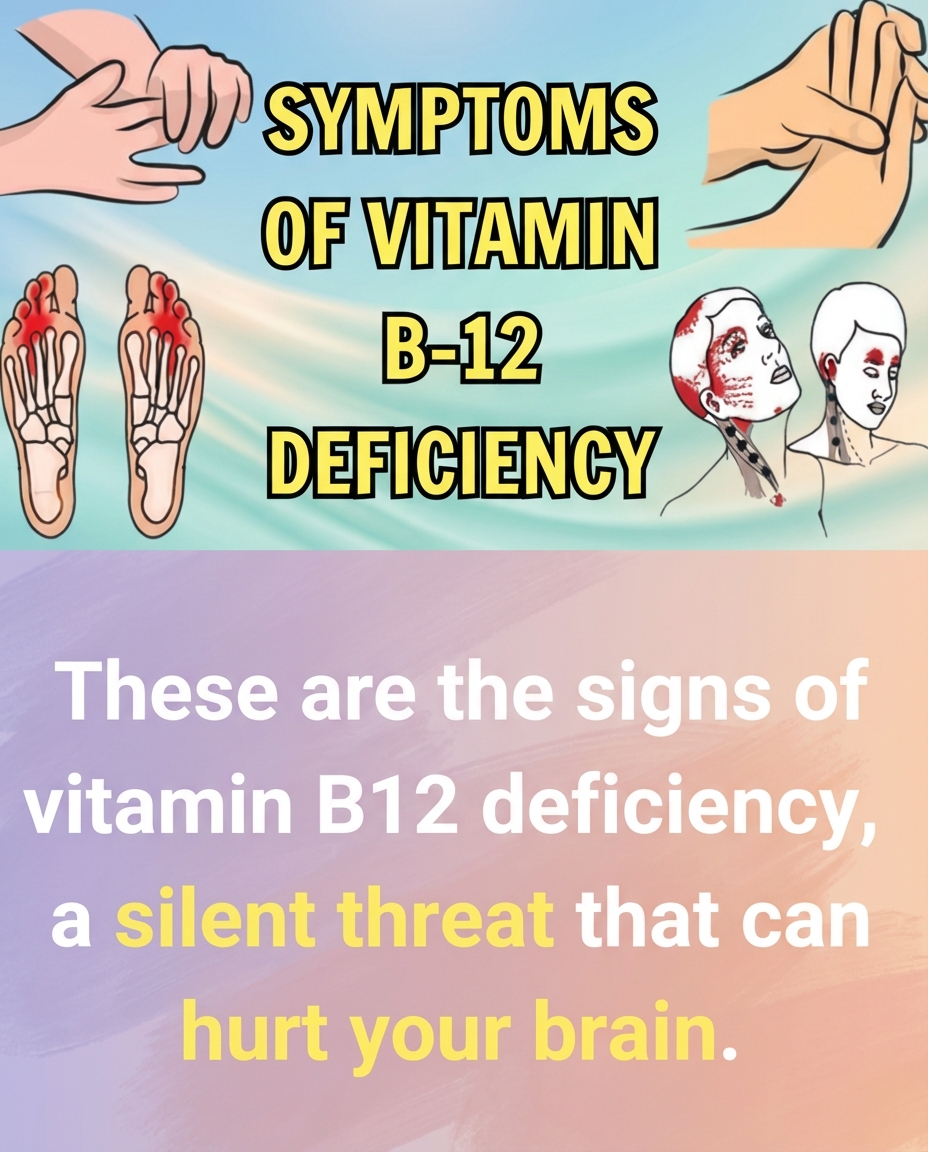
There’s a type of fatigue that lingers no matter how early you go to bed. If you’re waking up tired, losing stamina midday, or feeling unusually drained despite a normal routine, it may be worth looking beyond sleep habits. One often-overlooked factor is Vitamin B12 — a nutrient essential for red blood cell production and oxygen transport throughout the body. When levels drop, energy can decline gradually. While fatigue has many possible causes, learning how B12 supports vitality is the first step in understanding whether your body may need attention.
Physical sensations can sometimes offer additional clues. Low B12 levels may affect the nervous system, leading some people to experience tingling in the hands or feet. Others might notice changes in skin tone, such as unusual paleness or a faint yellowish tint. These signs are often subtle and develop slowly, which makes them easy to overlook. Paying attention to small shifts in how you feel — and how you look — can help you recognize patterns early rather than dismissing them as temporary.
Because Vitamin B12 also contributes to cognitive health, changes in focus and mood may appear alongside physical symptoms. You might feel mentally foggy, forgetful, or less motivated than usual. Irritability or difficulty concentrating can sometimes accompany nutrient imbalances. Of course, stress and daily demands can also influence mood and clarity, but B12 plays an important role in maintaining healthy brain function, making it one possible piece of the bigger picture.
Other signs to watch for may include lightheadedness, shortness of breath, or a sore tongue. In more advanced situations, coordination may feel slightly unsteady. If multiple symptoms appear together, the most responsible next step is to consult a healthcare professional for proper evaluation and testing. Through balanced nutrition, medical guidance, and supplementation when recommended, maintaining adequate B12 levels can support sustained energy, mental clarity, and long-term well-being.