
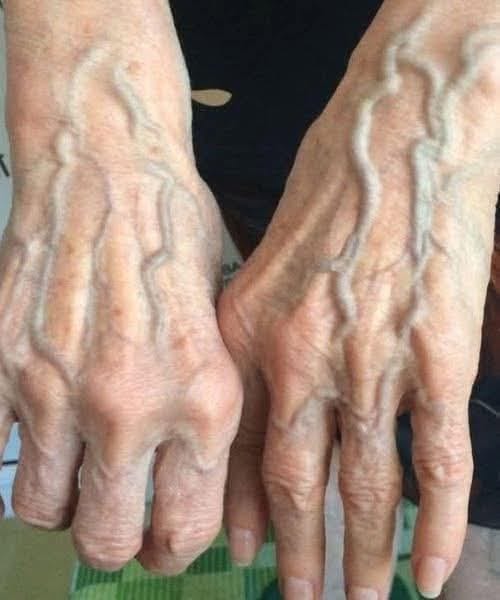
Noticing visible or prominent veins can be surprising, but in many cases, it’s a normal part of how the body works. Veins may appear more noticeable due to exercise, warm temperatures, aging, genetics, or lower body fat. Tight clothing, prolonged sun exposure, or standing for long periods can also make veins stand out temporarily. While these changes are often harmless, understanding the difference between cosmetic concerns and potential health issues is important.
Bulging veins occur when blood does not flow efficiently back toward the heart. Instead, it may pool in weakened or stretched vein walls, causing them to enlarge. This condition can lead to varicose veins—twisted, enlarged veins most commonly found in the legs. According to the Cleveland Clinic, risk factors include smoking, obesity, pregnancy-related hormonal changes, family history, and occupations that involve extended standing or sitting.
In most cases, visible veins are not dangerous. However, symptoms such as persistent pain, swelling, skin discoloration, warmth, or tenderness should not be ignored. These signs may indicate complications such as venous ulcers—slow-healing sores near the ankles—or more serious conditions like deep vein thrombosis (DVT), which requires immediate medical attention. Consulting a healthcare professional ensures proper evaluation and treatment if needed.
Prevention focuses on supporting healthy circulation. Regular physical activity, maintaining a balanced weight, avoiding tobacco, and wearing properly fitted clothing can all help reduce strain on the veins. Elevating the legs periodically and using compression stockings may also improve blood flow. While not every case of visible veins can be prevented, proactive lifestyle habits can minimize discomfort and lower the risk of future complications.