
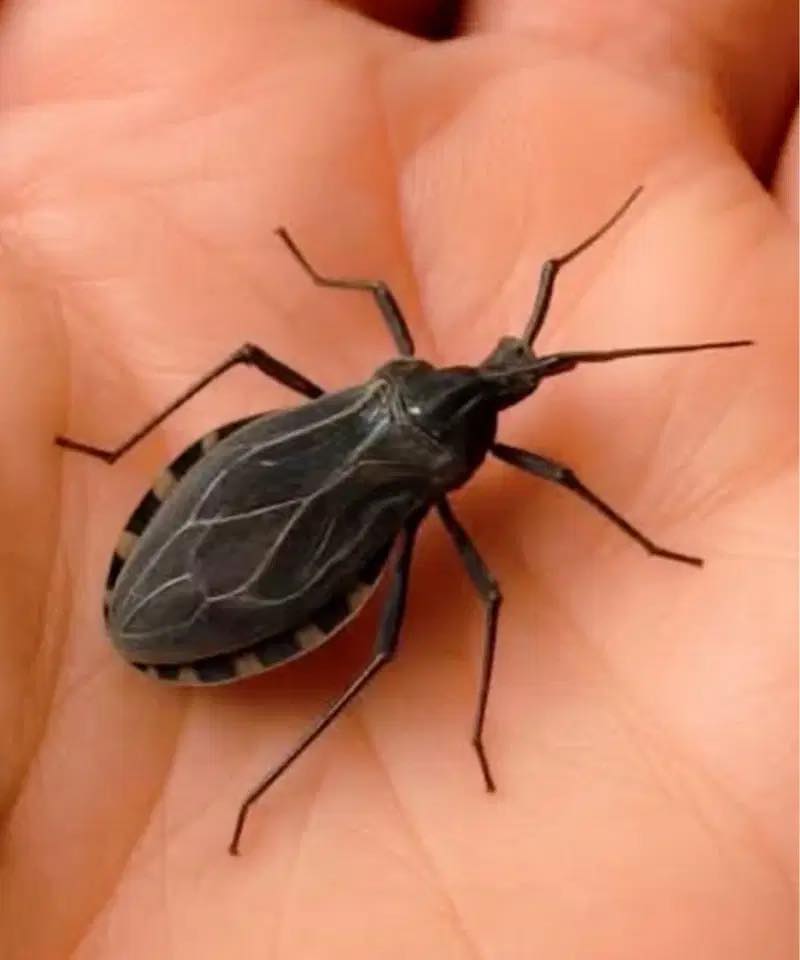
Most insect bites are harmless and resolve on their own, but certain species deserve a bit more awareness. One insect that has drawn increased attention in recent years is the kissing bug, also known as the triatomine bug. These insects are primarily active at night and may bite while a person is sleeping, which means many people never notice the moment of contact. Understanding the general signs associated with their bites can help individuals stay informed without unnecessary alarm.
Kissing bug bites are often painless because the insect releases a mild anesthetic while feeding. When a visible reaction occurs, it typically resembles a standard insect bite—mild redness, light swelling, or itching. These marks usually fade within a few days. Occasionally, swelling may appear around sensitive areas such as the face or eyes, which can look more pronounced but is still often mild and temporary.
In some cases, individuals report general symptoms in the days or weeks following a bite. These may include fatigue, headaches, low-grade fever, or mild muscle aches. Such symptoms are common to many minor illnesses and can easily be mistaken for seasonal fatigue or a routine viral infection. Less commonly, people may notice swollen lymph nodes or mild digestive discomfort as the immune system responds.
If symptoms persist, worsen, or occur after potential exposure in regions where kissing bugs are known to live, it’s wise to consult a healthcare professional. Early evaluation can help determine whether additional monitoring or testing is appropriate. Staying aware of your environment, noting changes in your body, and seeking medical guidance when needed are practical steps for maintaining long-term health while avoiding unnecessary worry.