
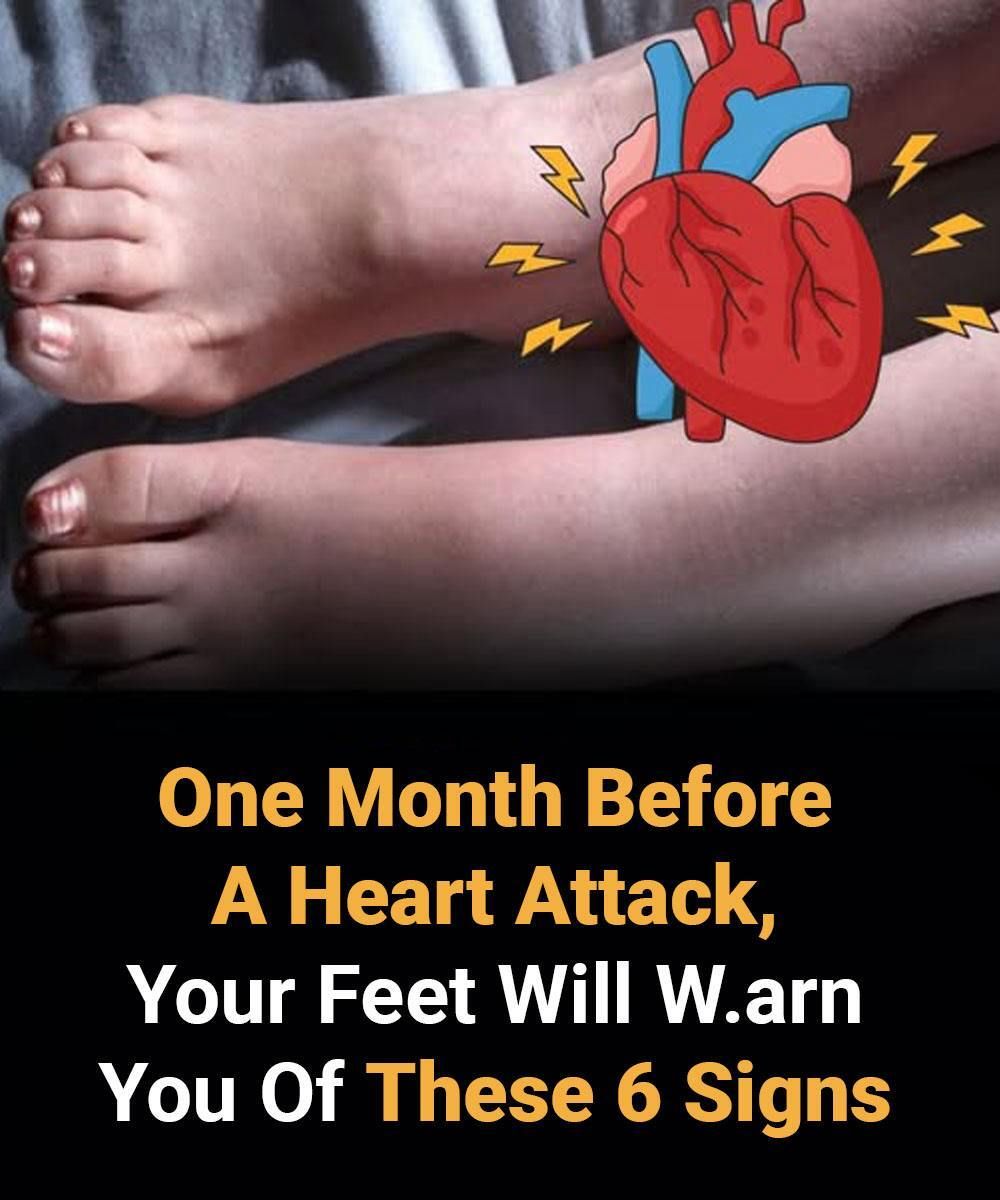
Your feet carry you through daily routines, but they can also offer early clues about your cardiovascular well-being. Because the heart pumps blood throughout the entire body — including the smallest blood vessels in the toes — changes in the feet sometimes reflect how efficiently blood is circulating. Noticing subtle shifts early can prompt timely medical evaluation, which is key in managing heart-related conditions.
One possible sign to watch for is persistently cold feet, especially when the surrounding temperature is warm. This may suggest reduced circulation. Swelling in the feet or ankles — particularly if it worsens by the end of the day — can also occur when the heart is not pumping blood as effectively as it should, leading to fluid retention. Changes in color, such as pale, bluish, or purplish tones, may indicate decreased oxygen delivery to tissues and should not be ignored.
Other symptoms can include tingling or numbness in the feet, which may be linked to peripheral artery disease, a condition associated with narrowed blood vessels. Slow-healing sores or wounds on the toes or heels may signal that tissues are not receiving enough oxygen and nutrients. Additionally, cramping or pain in the calves or feet during walking that improves with rest — known as claudication — can point to restricted blood flow in the lower extremities.
If you notice ongoing or unexplained changes in your feet, consider scheduling a medical check-up. Routine monitoring of blood pressure, cholesterol levels, and circulation can help identify potential concerns before they become more serious. While foot symptoms do not always indicate heart disease, paying attention to your body’s signals and seeking professional guidance when needed is a proactive step toward protecting long-term cardiovascular health.