
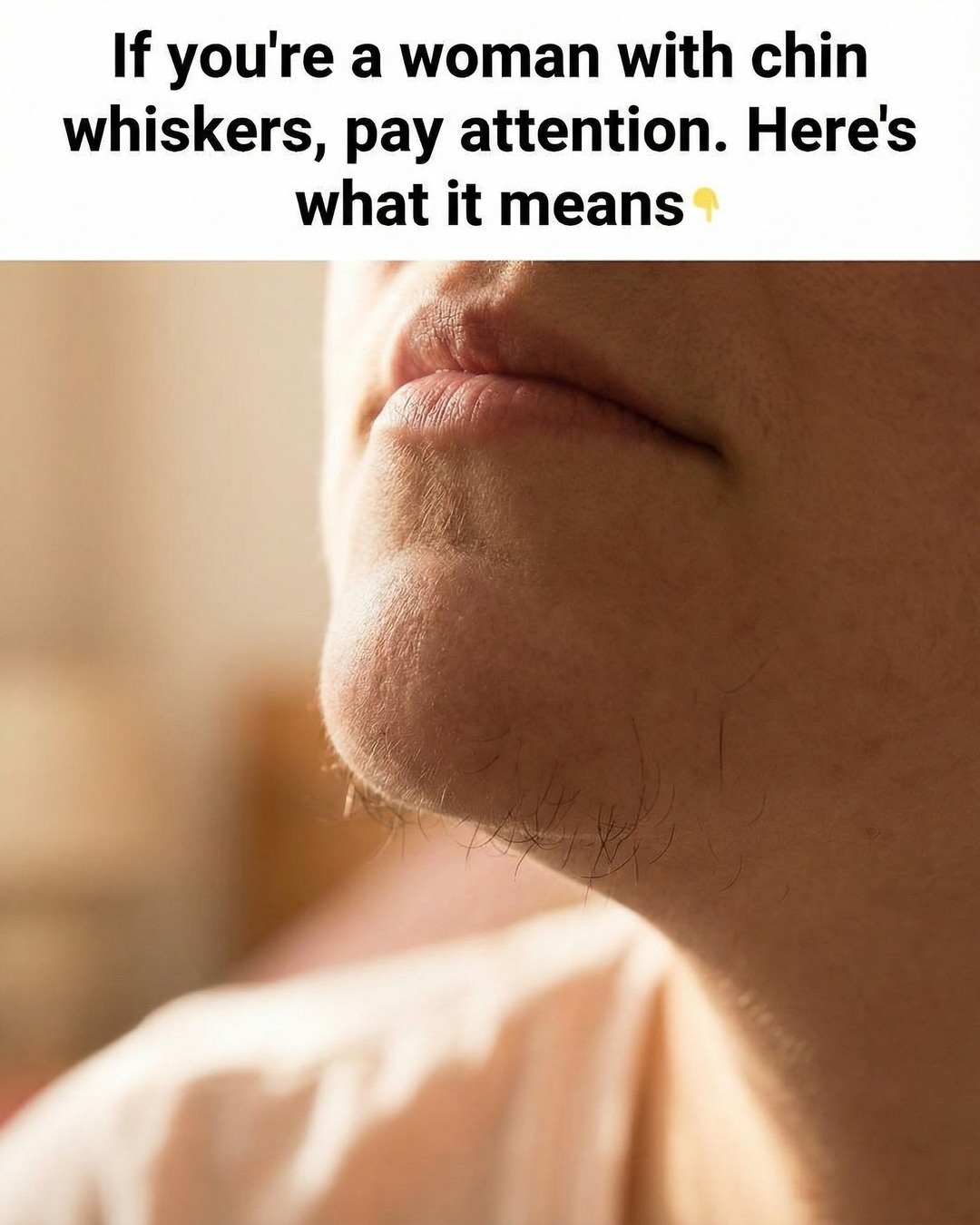
Finding a few coarse hairs on your chin can catch you off guard, yet it’s a surprisingly common experience for women. Hair growth patterns differ from person to person and are often influenced by genetics, life stage, and natural hormonal activity. In most cases, chin hair is simply a cosmetic concern rather than a medical one. Still, when new hairs seem to appear quickly or become more noticeable, it’s understandable to feel curious about the cause. Gaining clarity can replace worry with confidence and help you decide whether routine grooming is all that’s needed.
Hormones frequently play a central role in facial hair growth. Women naturally produce small amounts of androgens — hormones connected to hair development — and even minor fluctuations can stimulate follicles along the chin or jawline. These changes commonly occur during menopause, after adjusting hormonal birth control, or alongside shifts related to thyroid function. If increased hair growth appears together with symptoms like persistent acne, cycle irregularities, or unexplained weight changes, it may be helpful to seek guidance from a healthcare professional who can recommend appropriate evaluation.
Polycystic Ovary Syndrome (PCOS) is another condition often mentioned in conversations about facial hair. This hormonal imbalance can encourage hair growth in areas where it might otherwise be minimal and is sometimes accompanied by changes in menstrual patterns, skin health, or metabolism. However, it’s important to remember that a few chin hairs alone are not a diagnosis. Only a qualified medical assessment can determine whether PCOS or another underlying factor is present, and many women experiencing occasional facial hair are otherwise perfectly healthy.
For many, chin hair simply reflects the natural evolution of the body or traits shared within families. Over time, shifts in hair texture and growth are entirely normal. Those focused on appearance have a range of reliable options, including trimming, threading, waxing, or longer-term professional treatments. The key is maintaining perspective — staying informed without letting minor changes create unnecessary concern. With thoughtful attention and practical care, chin hair can be managed easily, allowing you to move forward with comfort and self-assurance.