
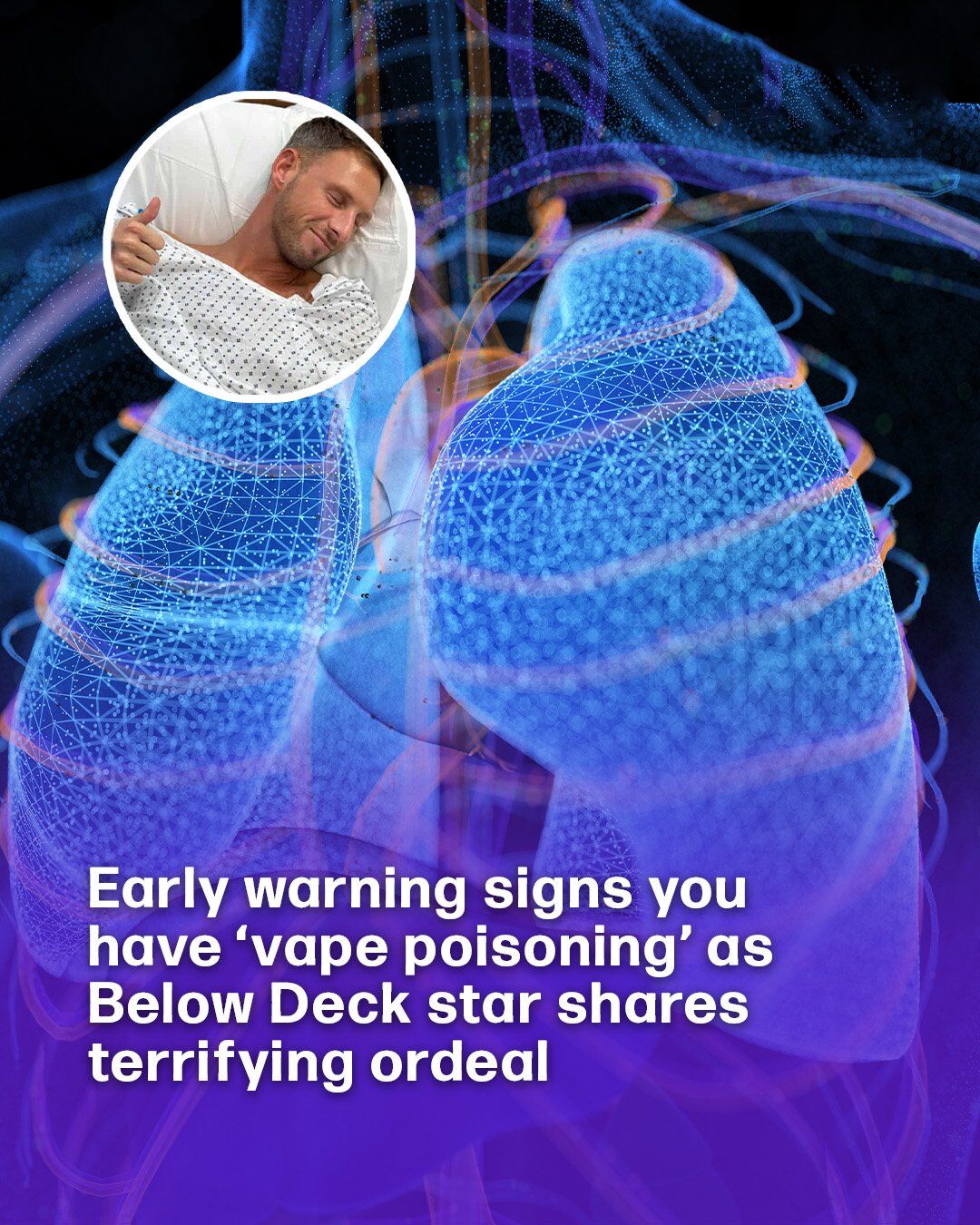
A reality television personality has sparked conversation about vaping safety after revealing a serious health emergency at just 33 years old. Below Deck cast member Fraser Olender recently disclosed that he was hospitalized following intense chest pain and breathing difficulties, later learning the episode was linked to a vaping-related condition. His experience has prompted renewed discussion about the potential health effects associated with e-cigarettes and why staying informed matters.
According to Olender, doctors diagnosed him with E-cigarette or Vaping-Associated Lung Injury (often abbreviated as EVALI), a condition connected to certain vaping products. He explained that a sudden coronary artery spasm restricted oxygen flow to his heart, resulting in a serious cardiac event. After receiving specialized care, he shared that he is now recovering and hopes his story encourages others to think carefully about their habits. While individual outcomes vary, medical professionals continue to emphasize that vaping is not risk-free.
Health organizations note that symptoms associated with vaping-related illness can develop gradually or appear unexpectedly. Common warning signs include shortness of breath, persistent coughing, chest discomfort, fever, dizziness, nausea, vomiting, or a rapid heartbeat. Another concern is Nicotine poisoning, which occurs when excessive nicotine enters the body. Early symptoms may involve sweating, restlessness, or nausea, while more severe reactions can include confusion, breathing problems, or abnormal heart rhythms. Anyone experiencing concerning symptoms should seek prompt medical evaluation.
Olender has since said he stopped vaping and wants others to understand the importance of awareness rather than assuming these devices are harmless. Public health experts generally recommend learning about product ingredients, following safety guidance, and speaking with a qualified healthcare provider when making decisions about nicotine use. Stories like this serve as a reminder that informed choices support long-term well-being—and that paying attention to your body is one of the most powerful steps you can take toward protecting your health.