
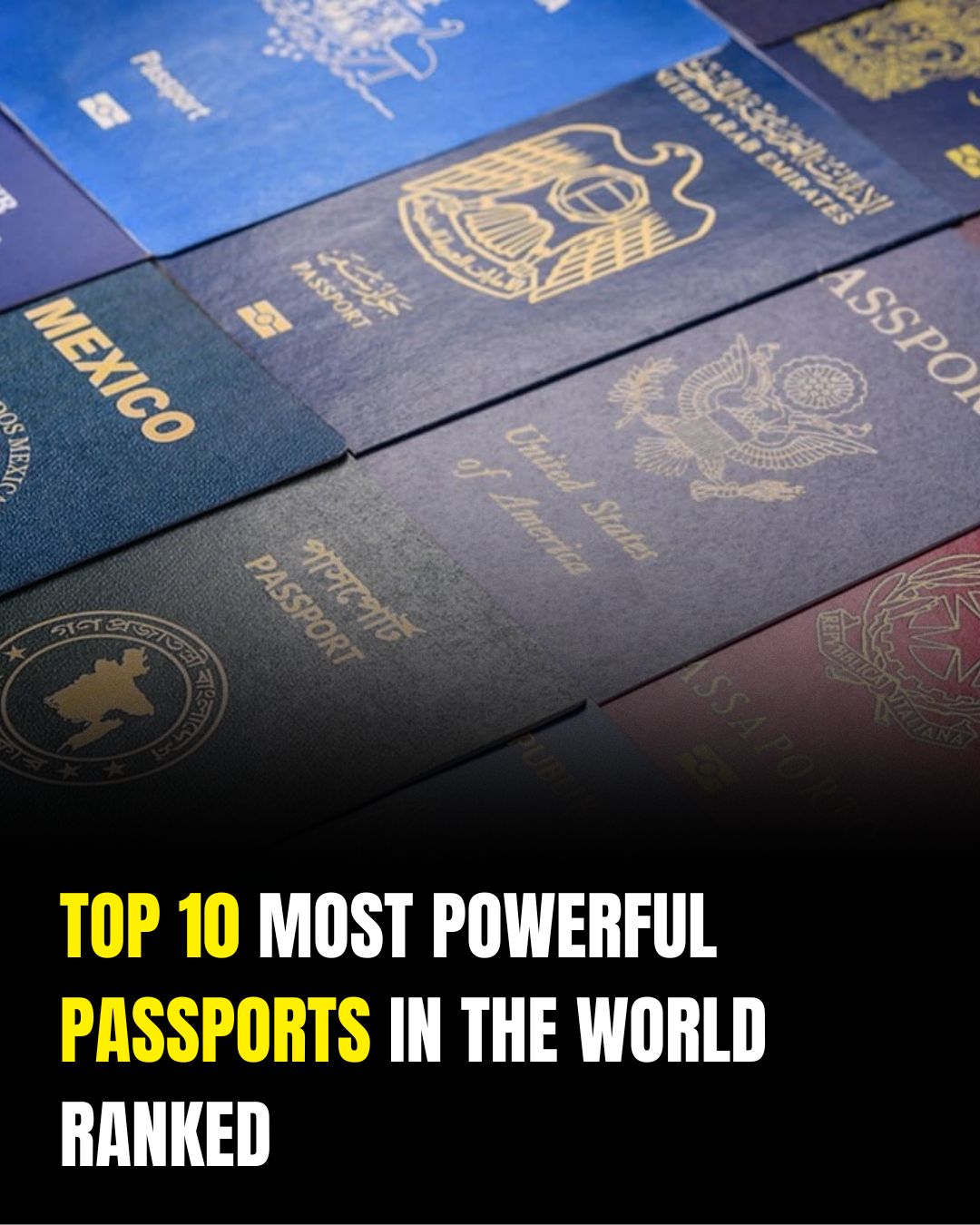
In 2025, the strength of a passport has become a lifestyle advantage, quietly shaping how easily people can explore the world. Passport rankings measure how many destinations travelers can enter without arranging a visa ahead of time, offering a clear picture of global mobility. As international travel rebounds, these rankings reflect not only convenience but also the diplomatic relationships and agreements that make spontaneous trips simpler and more affordable.
This year’s results show a strong concentration of top-ranking passports in Asia and Europe. Countries in these regions continue to benefit from long-standing visa-waiver networks and stable international ties, allowing their citizens to cross borders with minimal friction. For frequent travelers, this means fewer applications, less paperwork, and more flexibility when planning both leisure trips and work-related travel.
If you’re wondering how passport strength affects everyday travel decisions, think in practical terms. A more powerful passport reduces last-minute stress, lowers travel costs, and opens doors to destinations that might otherwise require weeks of preparation. As global flight demand increases and international routes expand, these advantages become even more noticeable—especially for people who value spontaneous getaways or travel often for business.
While rankings can shift as visa policies and global relationships evolve, the takeaway remains consistent: informed planning matters. No matter how strong a passport may be, checking entry requirements before booking is still essential. In a world where movement is once again accelerating, understanding passport power helps travelers make smarter, smoother choices—turning global access into a real quality-of-life benefit rather than just a statistic.