
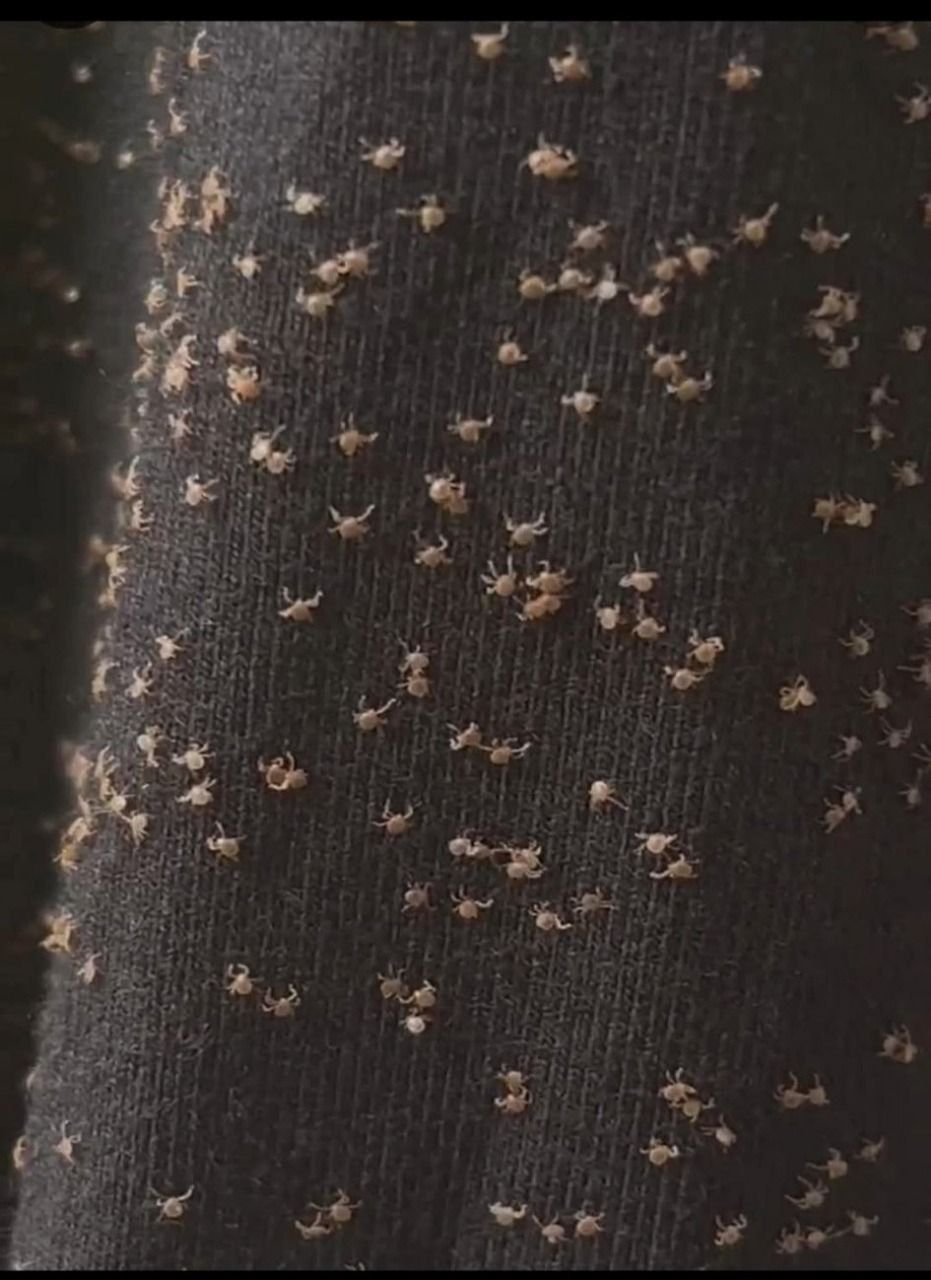
Have you ever come home from a walk only to spot your pant legs dotted with tiny, stubborn specks? It can feel puzzling at first, but there’s no mystery behind it—just one of nature’s smart strategies at work. These clingy bits are usually plant seeds designed to travel, and your clothing simply provided them with convenient transportation. While they may be annoying, they’re a completely natural part of spending time outdoors.
Most of these “hitchhikers” are known as burrs or stickseeds. Certain plants rely on passing animals or people to help disperse their seeds, allowing them to grow in new areas rather than remaining crowded around the parent plant. When you brush against tall grass or leafy edges of a trail, the seeds latch onto fabric without you even noticing. It’s an ingenious method of survival that has helped many plant species thrive.
Their staying power comes from specialized structures—tiny hooks, barbs, or hair-like fibers that grip onto threads much like hook-and-loop fasteners. Some varieties even have slightly tacky coatings that improve their hold. Understanding this design can make the experience less frustrating and more fascinating; it’s a reminder that even the smallest details in nature often serve a purposeful role.
To remove these seeds efficiently, start by brushing them off outside so they don’t scatter indoors. A lint roller, strong tape, or a fine-tooth comb can help lift the remaining pieces from fabric. Tossing clothes into the wash afterward usually clears away anything left behind. If pets joined your outing, give their fur a quick check as well. With a little preparation—and perhaps smoother, tightly woven fabrics for future walks—you can enjoy the outdoors knowing that these tiny travelers are simply part of the adventure.