
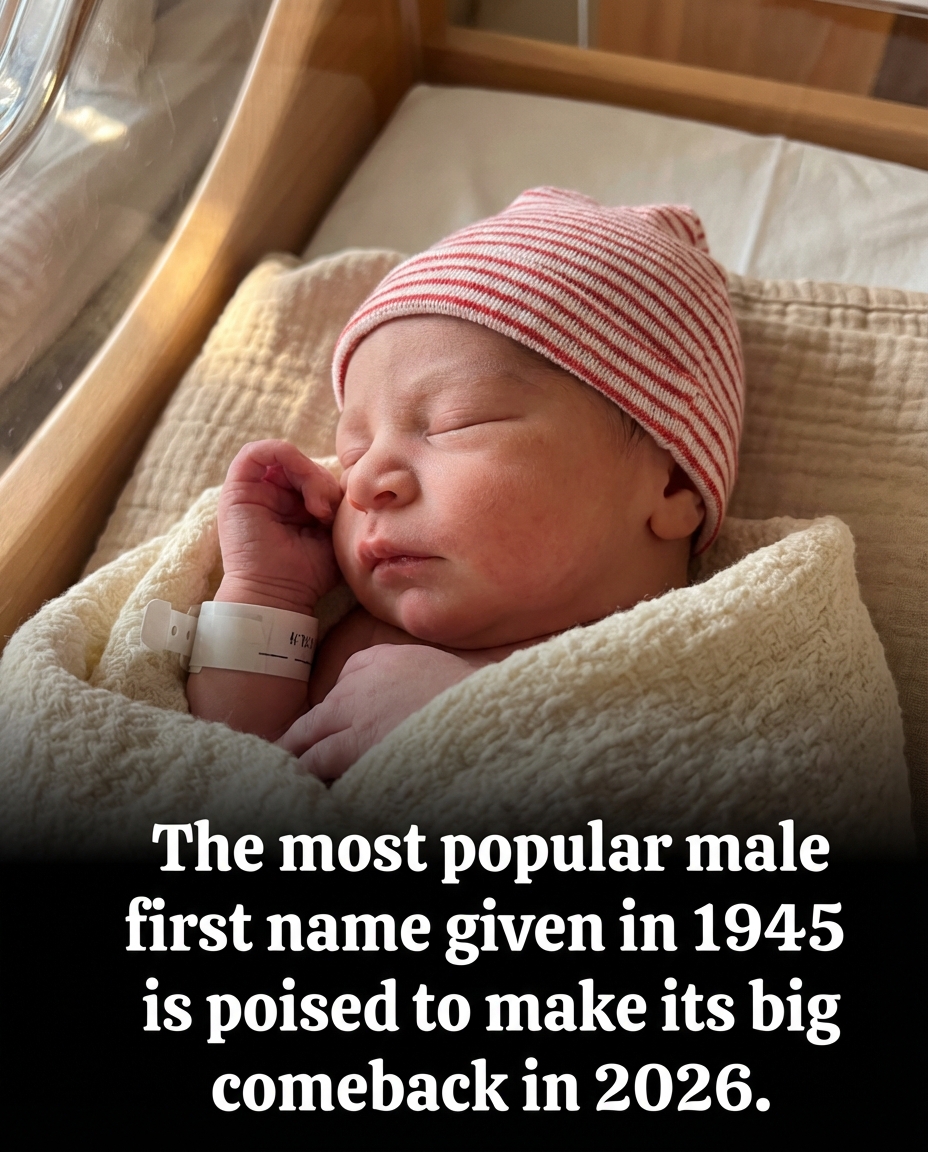
Baby name trends rarely transform overnight, yet every so often a subtle change reveals something meaningful about the cultural moment. As 2026 approaches, researchers from the Official Book of First Names have observed a growing preference among parents for names with history rather than novelty. Instead of inventing modern-sounding options or following global fads, many families are revisiting classics that convey stability, character, and authenticity.
One standout in this quiet revival is Marcel. Once strongly associated with earlier generations, the name gradually slipped from everyday use, becoming more familiar in family albums than on classroom rosters. That distance from recent trends may now be its greatest strength. Rediscovered with fresh perspective, Marcel feels approachable, sincere, and distinctive without being attention-seeking—qualities many parents value when choosing a name meant to last a lifetime.
This resurgence reflects a broader “neo-vintage” movement influencing birth records. Names such as Augustin, Léonie, Eugène, and Colette are also finding renewed appreciation. In a fast-paced, digitally saturated world, traditional names can offer a sense of grounding. Marcel, in particular, combines heritage with simplicity—it’s easy to spell, widely recognizable, and carries a quiet elegance that allows a child’s personality to take center stage.
Looking ahead, Marcel is expected to symbolize a more thoughtful approach to naming—one that prioritizes meaning over momentary style. With international familiarity and a timeless feel, it reflects values like confidence, warmth, and individuality without excess flair. More than just a passing preference, this return to classic names suggests parents are choosing identities that connect past and future, proving that sometimes the most enduring choices are the ones rediscovered rather than reinvented.