
When nighttime heat turns the air heavy and unbreathable, sleep can feel impossible. Restlessness builds as pillows trap warmth, sheets cling, and each passing minute adds to the frustration of being awake. While air conditioning isn’t always an option, small, low-effort adjustments can make a real difference. With a basic understanding of airflow and body temperature, it’s possible to create enough relief to help sleep return.
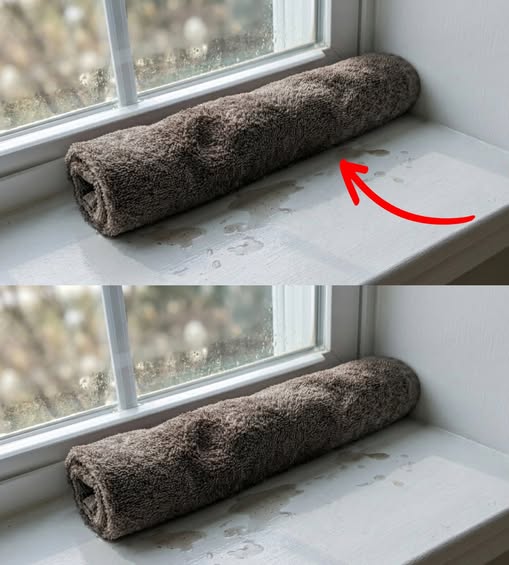
One surprisingly effective method focuses on cooling the air itself. Hanging a damp towel over an open window works through evaporative cooling—a natural process where water absorbs heat as it evaporates. As warm air passes through the moist fabric, some of that heat is pulled away before the air enters the room. The temperature change may be subtle, but it’s often enough to break the feeling of stagnant heat and make the space more breathable.
Another approach works directly on the body rather than the room. Placing a pillowcase in the refrigerator or freezer for a short time before bed can provide immediate relief. Cooling the head and neck is especially effective because those areas contain many blood vessels close to the surface. That initial rush of coolness helps signal the nervous system to relax and allows the body to begin its natural drop in temperature needed for sleep.
While the pillowcase warms quickly and the room won’t turn cold, those first few minutes often matter most. Falling asleep is usually the hardest part on hot nights, and brief cooling can be enough to cross that threshold. Combined, these simple methods—gently cooling the air and directly cooling the body—offer a practical, energy-free way to make sleepless summer nights far more manageable.