
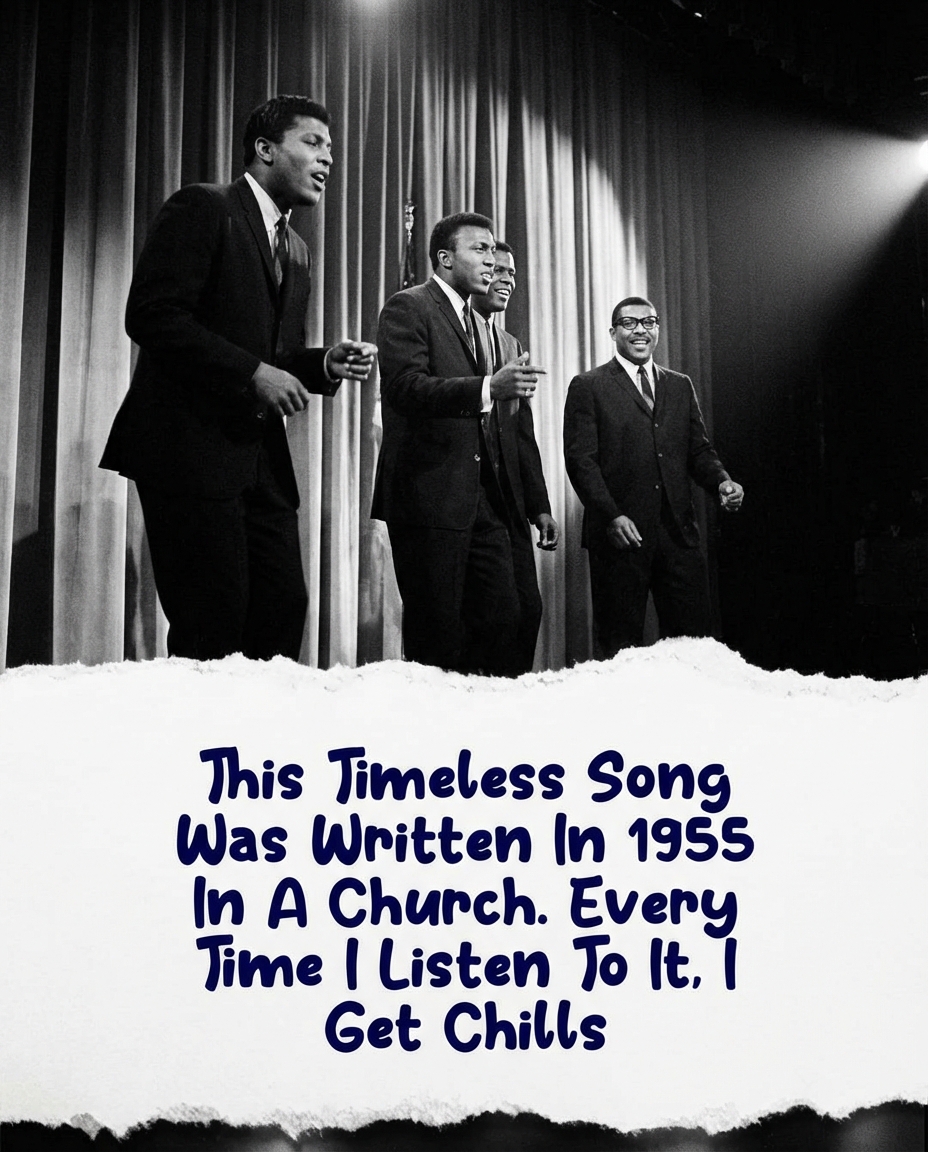
Some of the most enduring songs don’t begin with grand ambition—they begin with emotion. That’s the case with In the Still of the Night, a tender ballad whose soft opening has echoed through decades of romance. Its lasting appeal comes not from technical perfection, but from the way it captures a feeling so intimate it still feels personal, even generations later.
The song took shape in 1956 through Fred Parris, then a 19-year-old soldier grappling with the ache of separation after a weekend with his girlfriend. Stationed near Philadelphia, he found himself awake late at night, translating longing into melody. Whether seated at a piano during quiet hours or standing beneath the night sky on duty, he shaped lyrics that spoke plainly and honestly about young love. The power of the song came from its sincerity, not from polish.
Recording the track was just as modest as its creation. Parris and The Five Satins gathered in the basement of a New Haven church, using basic recording equipment and the room’s natural acoustics. The result was a warm, echo-filled sound that felt intimate and heartfelt. While the song didn’t dominate the charts at first, listeners quickly connected with its vulnerability and emotional depth.
Over the years, the song grew far beyond its humble beginnings. It became a staple of slow dances, a touchstone of 1950s romance, and a familiar presence in films and covers that introduced it to new audiences. Though many artists have reinterpreted it, the core emotion remains unchanged. What started as one quiet moment of reflection evolved into a universal reminder that when music is rooted in genuine feeling, it never truly fades—it simply waits for the next listener to press play.