
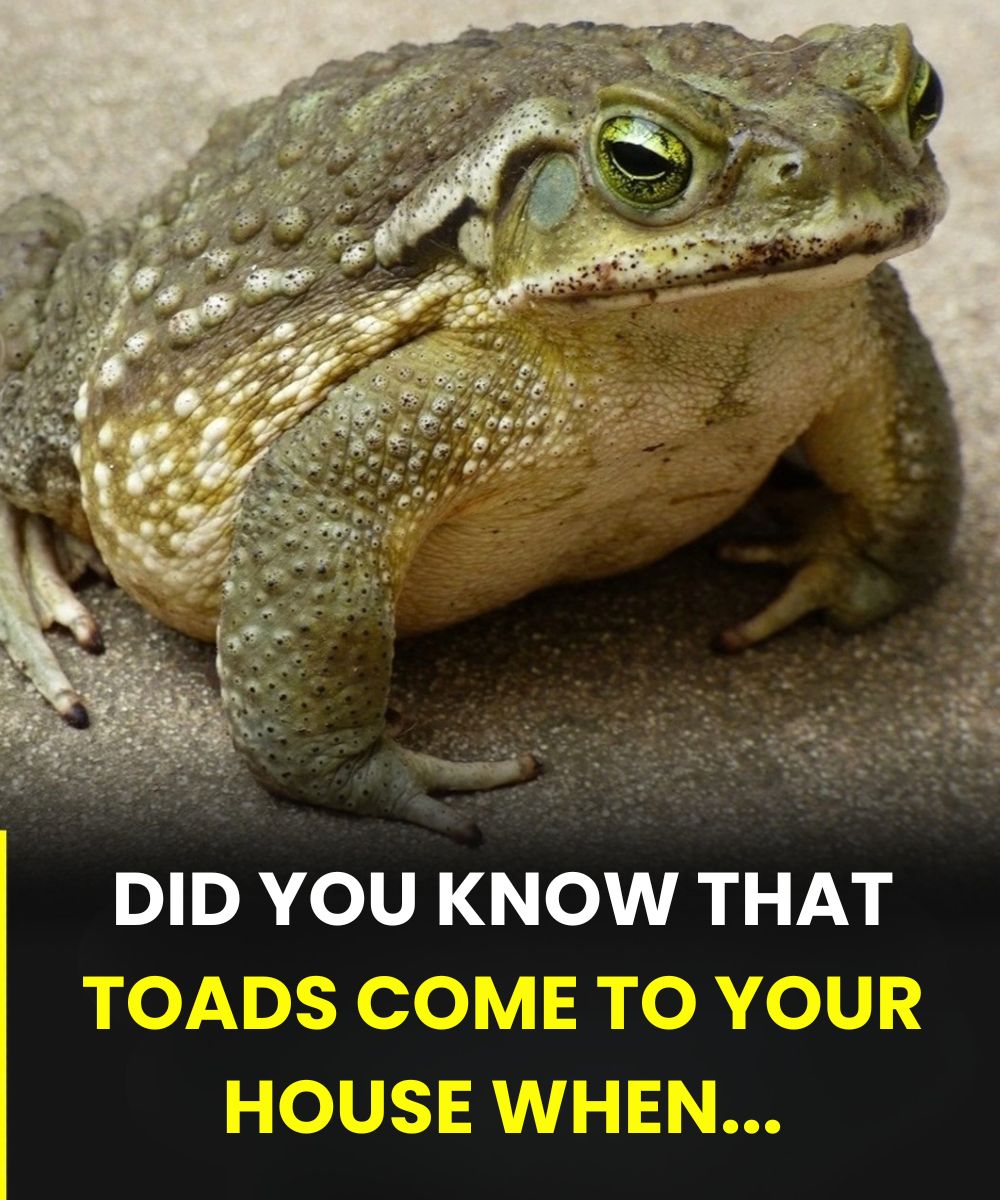
Finding a toad in your yard, by your doorway, or unexpectedly inside your home can be surprising. For some, the reaction is purely practical—How did it get in? For others, it sparks curiosity about possible meaning. Across cultures and time, a toad’s appearance has been understood in two ways that can coexist: a natural explanation grounded in biology, and a symbolic one shaped by tradition and belief.
From a practical standpoint, toads are drawn to environments that meet their basic needs. They rely on moisture to survive and prefer cool, shaded areas rich in insects. Homes with gardens, potted plants, outdoor lighting, standing water, or dense vegetation often create ideal conditions. During rainy or humid periods, toads become more active, venturing out to hunt or seek shelter. Small gaps, open doors, or unsealed entry points make it easy for them to wander inside. These visits are driven by instinct, not aggression—most toads avoid human interaction altogether.
Symbolically, toads have carried meaning in many cultures. In Eastern traditions, particularly Feng Shui, the toad is associated with abundance and prosperity, often represented by the “money toad” symbol. In parts of Latin America and other traditions, the toad’s transformation from tadpole to adult links it to change, renewal, and emotional growth. Some beliefs suggest toads absorb stagnant energy, acting as quiet indicators that a home—or its occupants—may be entering a period of transition or realignment.
Whether you view the encounter scientifically or symbolically, a toad’s presence isn’t a cause for alarm. Ecologically, toads often signal a healthy environment, as they are sensitive to pollution and thrive where ecosystems are balanced. If you prefer to keep them outdoors, reducing moisture and sealing entry points can help. If not, their presence can even be beneficial, as they naturally control insect populations. Ultimately, a toad’s appearance invites a moment of awareness—of your surroundings, of nature’s rhythms, and of the subtle ways life adapts and moves alongside us.