
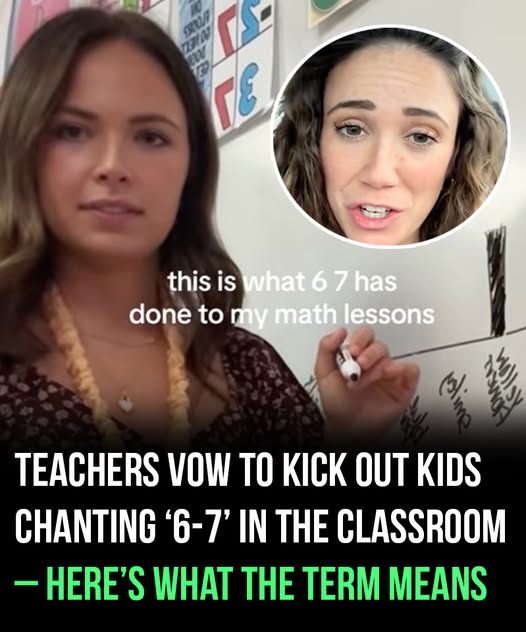
Every generation invents its own brand of humor, and sometimes the joke is that there is no joke at all. A phrase currently puzzling parents, teachers, and anyone not chronically online is “six-seven” or “6-7,” which has taken over comment sections and videos on TikTok. If you’ve been trying to decode its meaning, here’s the honest answer: it doesn’t have one—and that’s exactly why it works.
The trend traces back to a lyric in Doot Doot, released in late 2024 by hip-hop artist Skrilla. In the song, the phrase is dropped casually and rhythmically, making it catchy without being explanatory. Social media users quickly ran with it, turning “6-7” into a nonsensical response that can be used in almost any situation, from answering obvious questions to reacting to random moments.
According to educators and online creators, the humor lies in repetition and absurdity. The phrase is often paired with exaggerated hand motions or deadpan delivery, making it even funnier to younger audiences. While Gen Z and Gen Alpha see it as playful and ironic, teachers report a different experience—students blurting out “six-seven” during lessons, counting exercises, or serious questions, instantly derailing focus and structure.
Still, the rise of “six-seven” is a perfect snapshot of how modern internet humor works. Memes today don’t need logic, context, or longevity—they just need to feel funny in the moment. If you don’t get it, that’s part of the design. “Six-seven” isn’t trying to say something clever; it’s simply a shared inside joke for a generation fluent in irony, speed, and chaos—and it’s not going anywhere anytime soon.