
Cruelty toward animals often strikes a nerve because it reflects a lack of empathy toward beings that cannot defend themselves. Whether harm is intentional or the result of ignorance, such moments remind us of the responsibility humans share in protecting vulnerable lives. Over the years, stronger laws, rescue efforts, and advocacy have improved animal welfare, yet incidents still occur that highlight why awareness and accountability remain essential in everyday life.
In the age of social media, even small neighborhood encounters can quickly become public talking points. Stories involving pets, children, and protective instincts tend to spread rapidly, drawing people into debates about responsibility, parenting, and compassion. These conversations often go beyond the original situation, touching on how empathy is taught and how communities respond when boundaries are crossed.
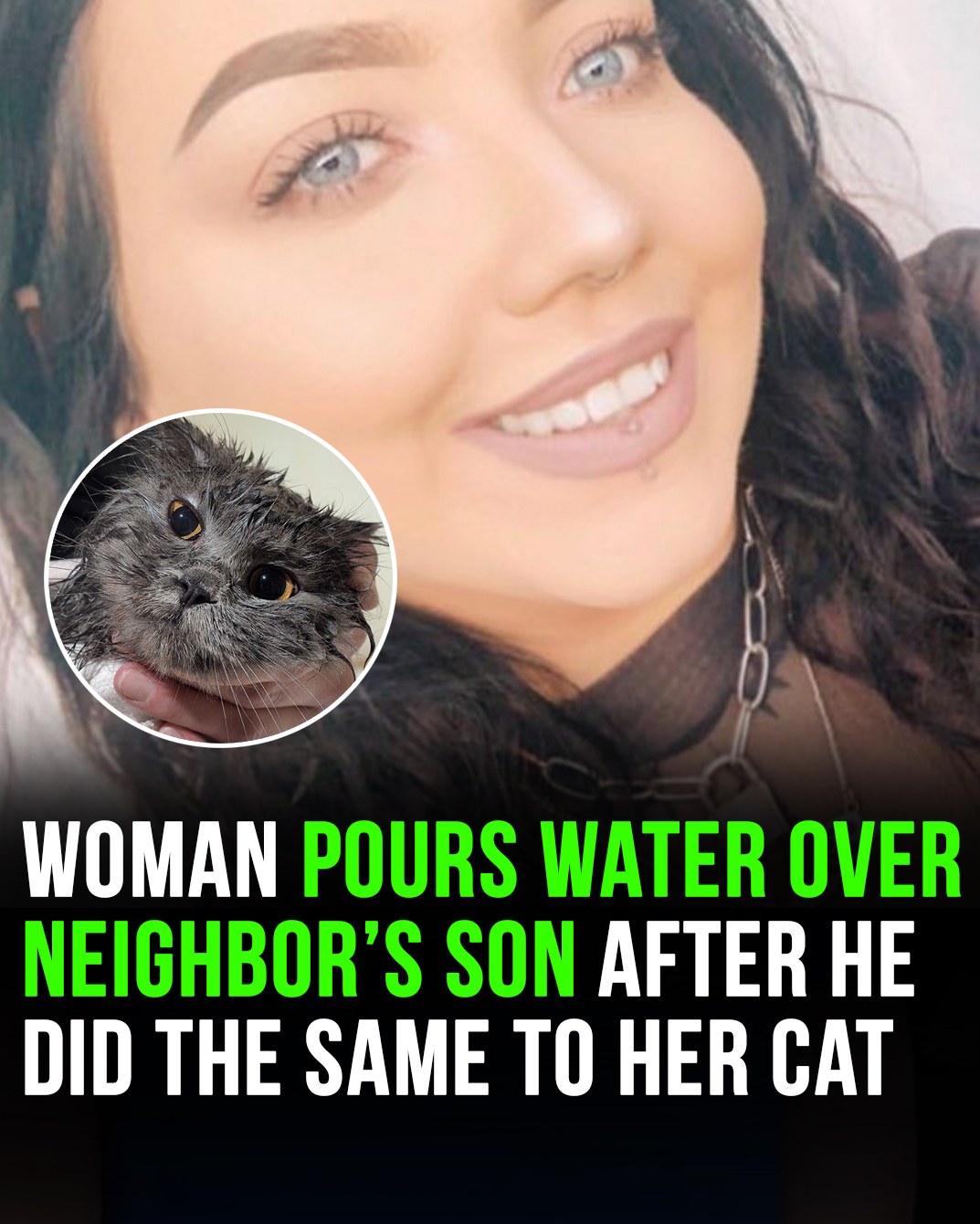
One recent incident that gained widespread attention involved a woman named Shannon Cooper, who said she witnessed a neighbor’s child pouring water on her cat while it rested calmly on a backyard fence. Disturbed by the cat’s visible discomfort and the child’s laughter, Shannon reacted instinctively by splashing water back on the child. She later explained that her goal was not punishment, but to demonstrate that actions affecting another living being have consequences. After sharing the story online, her post quickly resonated with animal lovers who saw her response as a firm defense of a pet that could not speak for itself.
The reaction was mixed, sparking thoughtful discussion on how best to teach empathy. Supporters applauded the clear boundary she set, while critics suggested calmer approaches such as involving parents or explaining the impact of the behavior. In follow-up comments, Shannon noted that the situation ended peacefully, with no lasting conflict and no harm done. Ultimately, the story became less about right or wrong and more about how moments like these encourage reflection on kindness, guidance, and the values adults model for younger generations—reminding us that compassion is learned through both words and actions.