
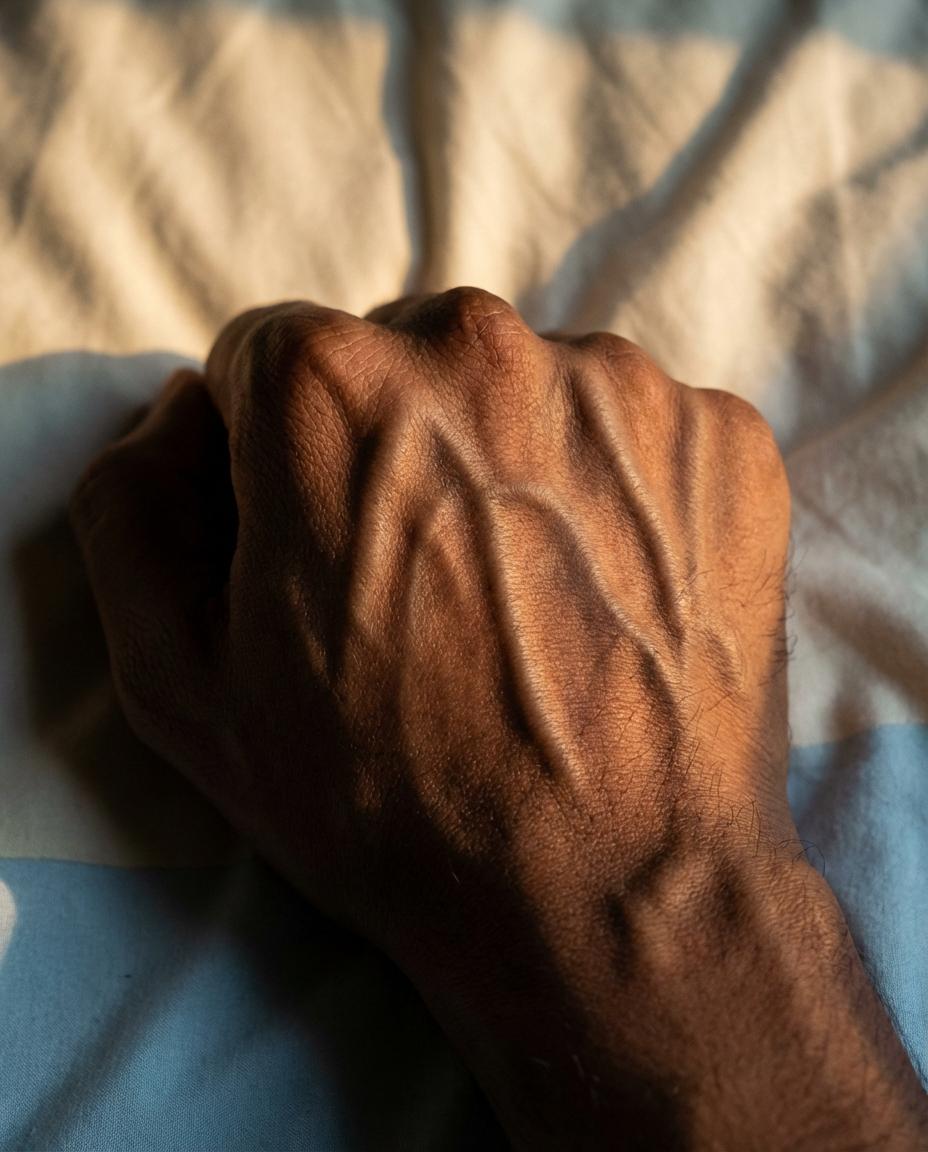
Have you ever glanced at your hands, arms, or legs and wondered when your veins became so noticeable? One day they seem barely there, and the next they look darker, raised, or easy to trace beneath the skin. This shift is surprisingly common and, in most cases, completely harmless. Vein visibility can change quickly due to everyday factors like temperature, hydration, physical activity, and even how long you’ve been sitting or standing. Often, it’s simply your body responding normally to its environment.
Several routine conditions can make veins stand out more. Warm weather or hot showers can cause veins to widen slightly as blood flow moves closer to the skin’s surface. Exercise has a similar effect, especially during or right after activity. Dehydration can also make veins appear more pronounced because there’s less fluid circulating overall. As we age, skin naturally becomes thinner and loses some cushioning tissue, making veins easier to see. Genetics, lower body fat, sun exposure, and tight clothing can also influence how visible veins appear.
There are times, however, when vein changes deserve closer attention—particularly in the legs. If veins begin to look swollen, twisted, or feel uncomfortable, it may be related to circulation issues where small vein valves don’t move blood upward as efficiently. This can lead to blood pooling and, over time, varicose veins. These often cause aching, heaviness, mild swelling, or a tired feeling in the legs. While usually more of a comfort or cosmetic concern than a serious medical issue, it’s worth monitoring if symptoms worsen or interfere with daily life.
The good news is that simple habits can support healthy circulation. Staying active, taking short walking breaks during long periods of sitting, avoiding standing still for too long, and elevating your legs while resting can all help. Drinking enough water, maintaining a healthy weight, and using compression socks when recommended may also reduce pressure on leg veins. If you notice persistent pain, sudden swelling, warmth, skin color changes, or irritation near a vein, it’s wise to consult a healthcare professional. Most visible veins are a normal part of body changes—but listening to your body helps you stay comfortable and confident.