
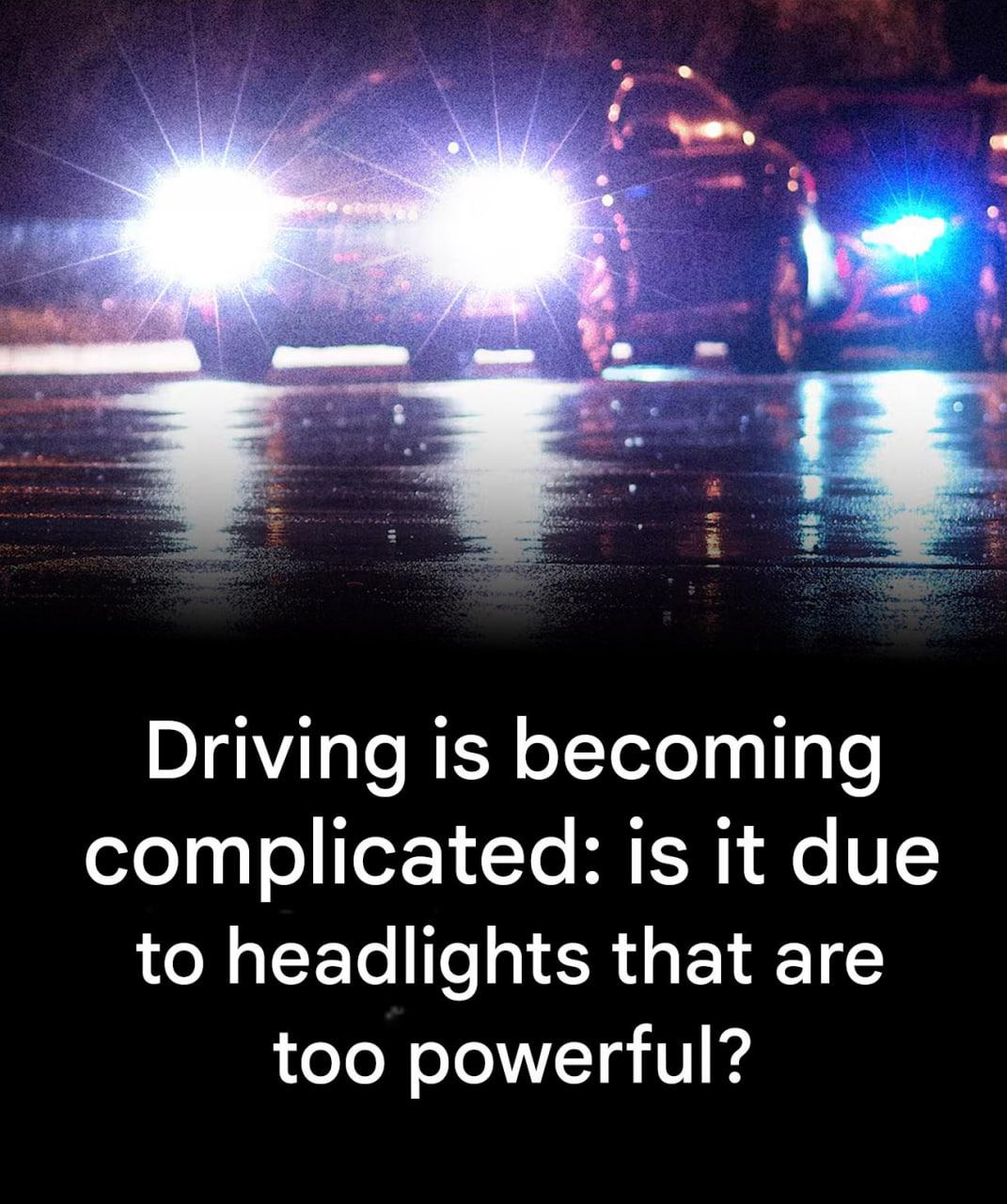
If night driving suddenly feels harsher on your eyes, you’re not imagining it. Many drivers notice that oncoming lights now seem almost blinding, turning familiar roads into glaring corridors. It’s easy to wonder whether this comes from tired eyes, an aging windshield, or changes in your own car. In reality, the answer is a mix of modern lighting technology, vehicle design, and how human vision responds to brightness—and the good news is that there are simple ways to make night driving more comfortable.
One major reason is the widespread use of LED headlights. These lights are energy-efficient and provide excellent visibility for the driver, which is why car manufacturers favor them. However, their crisp, white tone and concentrated beams can feel much harsher than older halogen lights, especially in rain or heavy traffic. After a long day, eyes are already fatigued, and sudden bursts of intense light can briefly overwhelm vision, making it harder to stay relaxed and confident behind the wheel.
Vehicle height and headlight alignment also play a big role. Taller vehicles like SUVs can appear to shine directly into the eyes of drivers in lower cars, not necessarily because the lights are stronger, but because the angle is higher. Small changes—like a loaded trunk, extra passengers, or uneven roads—can shift headlight positioning without drivers realizing it. Fortunately, headlight alignment is easy to check during routine servicing, and many cars allow quick manual adjustment that can significantly reduce glare for others.
Your eyes themselves are part of the equation. Everyone adapts to light at a different speed, and even brief exposure to intense brightness can cause momentary blur. Simple habits help: keep your windshield clean inside and out, maintain your own headlights, and when facing bright oncoming lights, glance slightly toward the right edge of the road instead of directly ahead. Looking ahead, newer vehicles are beginning to use automatic headlight-leveling systems that adjust beams in real time. As these technologies become more common, night driving is expected to feel safer and calmer—proving that better visibility doesn’t have to come at the cost of comfort.