
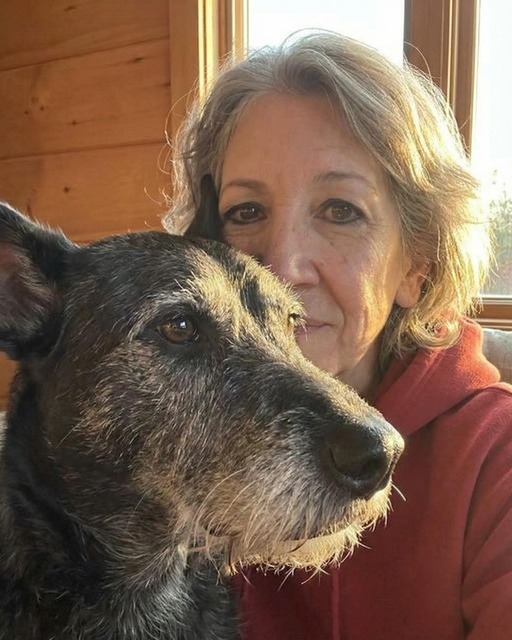
I didn’t walk into the shelter hoping for a miracle—I went there knowing I was choosing heartbreak. The volunteer warned me gently that the dog I’d asked about likely had only weeks left. I nodded, pretending I understood what that meant. At home, my husband Daniel and I lived a life that appeared stable and complete, yet our house carried a quiet heaviness. The silence wasn’t peaceful; it lingered, settled in corners, and reminded us daily of something we no longer spoke about but always felt.
For years, we had shared the same dream of becoming parents, until hope slowly turned into something too fragile to touch. At first, we planned and talked endlessly. Later, we avoided the subject altogether. We filled our days with routines and responsibilities, becoming skilled at distraction. One evening, sitting across from Daniel at the kitchen table, I finally said what had been sitting in my chest for months: maybe we should get a dog. Not to replace anything—but to give our love somewhere to go. He hesitated, afraid of disruption, afraid of noise, afraid of loss. Eventually, he agreed to look.
The shelter was loud and alive, full of dogs reaching for attention. But Daisy was different. She was tucked away, small and still, her gray muzzle and tired eyes telling a story of many endings. When I knelt beside her, she didn’t rush me. She lifted her head, studied my face, and gave a slow, deliberate wag—as if she was deciding too. The staff explained she was twelve, ill, and only available for hospice adoption. Daniel immediately recoiled. “We can’t do this,” he said. “We can’t bring home something just to lose it.” But I wasn’t searching for something permanent. I was searching for something real.
What followed surprised us both. Daisy didn’t bring chaos—she brought gentleness. Our days softened around her: quiet walks, shared naps, small routines that stitched warmth back into the house. Daniel began caring for her without realizing it, talking to her as if she’d always belonged. The silence between us didn’t disappear, but it changed shape—it became lighter, less lonely. When Daisy’s time came, she left behind more than grief. She left proof that love doesn’t need longevity to be powerful, and that sometimes opening your home to a fragile goodbye can quietly heal what you thought was broken beyond repair.