
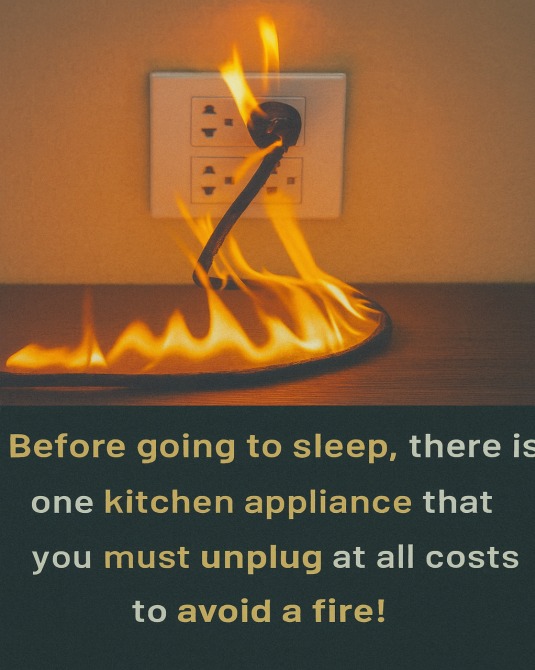
Many people have heard that unplugging appliances is a good habit, but the real impact often goes unnoticed. Even when devices are turned off, many continue to draw electricity—a hidden drain known as phantom or standby energy. Over time, that constant trickle adds up, quietly increasing utility bills by an estimated $100 to $200 each year. Unplugging unused items is a simple way to stop paying for power you’re not actually using.
Safety is another reason this habit matters. Some appliances pose genuine fire risks if they remain plugged in, especially when left unattended. Space heaters top the list, as they can overheat or come into contact with flammable materials. Hair styling tools like flat irons and curling wands also reach extremely high temperatures and can become dangerous if accidentally left on or malfunctioning. Disconnecting these items after use adds an extra layer of protection.
Kitchen and laundry appliances deserve attention as well. Toasters and toaster ovens can harbor crumbs that smolder, and older models may switch on unexpectedly. Clothes dryers, while designed with safety features, still draw power when idle and benefit from being unplugged when not in use. Beyond major appliances, everyday electronics—phone chargers, televisions, gaming consoles, and coffee makers—continue consuming energy simply by staying plugged in.
The easiest way to manage all this is by building small, consistent habits. Unplug devices after using them or use smart power strips that cut power automatically when items aren’t needed. These minor adjustments require little effort but deliver lasting benefits—lower energy bills, reduced fire risk, and greater peace of mind. Sometimes, the simplest actions make the biggest difference at home.