
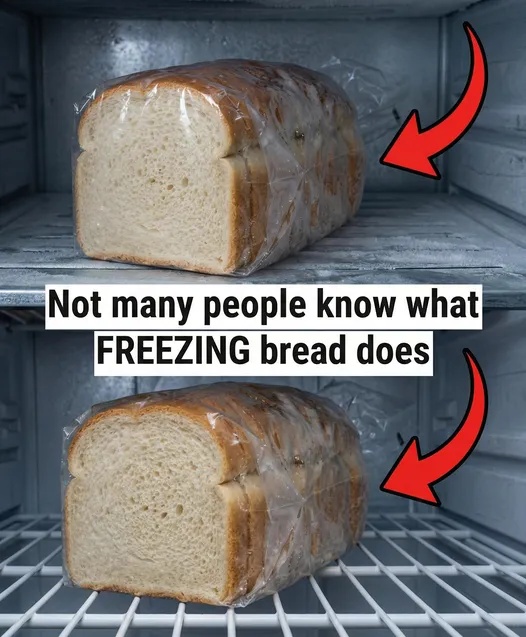
In a busy household, bread has a way of disappearing fast. Loaves, buns, bagels, and muffins can vanish between breakfast and dinner, which is why freezing extras makes sense. Buying bread on sale and storing it away saves money, cuts down on waste, and keeps meals easy when schedules get hectic. But that smart system only works if the bread comes back out of the freezer still soft and enjoyable.
The problem is that bread freezes poorly when it’s rushed or unprotected. Frost buildup, dry edges, and slices stuck together are common signs that air and moisture weren’t managed properly. The solution starts with timing: bread should be frozen as fresh as possible, ideally the same day it’s purchased. If it isn’t already sliced, cutting it before freezing makes a big difference, allowing you to take only what you need later without thawing the whole loaf.
A quick prep step improves results dramatically. Lay slices in a single layer on a parchment-lined baking sheet and place them uncovered in the freezer for about an hour or two. This brief pre-freeze firms them up just enough so they won’t clump together. Once solid, transfer the slices to a freezer-safe bag, pressing out as much air as you can before sealing. Less air means less frost and better texture when thawed.
Stored this way, frozen bread becomes a reliable kitchen shortcut rather than a disappointment. Slices thaw in minutes on the counter or can go straight into the toaster, while buns, bagels, and muffins work just as well when pre-cut. With the right approach, your freezer turns into a backup pantry—one that keeps bread tasting close to fresh and makes everyday meals simpler, smoother, and far less wasteful.