
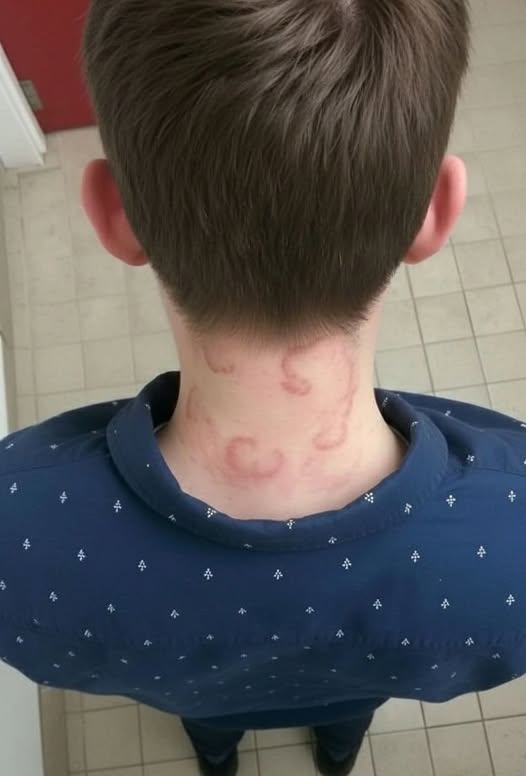
What often begins as a mild itch can quietly develop into something that deserves closer attention. Early symptoms may look familiar—red, swollen patches, a burning sensation, or itching that comes and goes without warning. Many people initially assume these reactions are caused by a temporary allergy or environmental trigger. When the irritation fades and returns unpredictably, it’s easy to dismiss it as inconvenient but harmless. Over time, however, repeated flare-ups can disrupt sleep, focus, and daily comfort, signaling that something deeper may be happening.
Understanding the cause is an important next step. A medical evaluation may reveal urticaria, commonly known as hives—a condition driven by the immune system rather than surface irritation alone. In urticaria, certain immune cells release histamine, causing fluid to leak into the skin and form raised, itchy welts that vary in size and location. While some cases resolve quickly, others evolve, becoming more intense or persistent. This progression often adds emotional strain, especially when no clear trigger can be identified.
Knowing how to recognize escalation is critical. In some cases, swelling moves beneath the skin into areas like the lips, eyelids, or throat—a condition called angioedema. When this occurs, sensations such as tightness, pressure, or difficulty breathing may appear. These signs require immediate medical attention, as airway involvement can become serious quickly. Learning to distinguish between surface discomfort and deeper swelling helps reduce risk and ensures faster response when it matters most.
Managing the condition involves both treatment and awareness. Antihistamines are commonly used to control symptoms, sometimes alongside other medications during severe flare-ups. Just as important is understanding personal warning signs and respecting the body’s signals. While urticaria can feel unpredictable, informed action replaces fear with confidence. By paying attention early and responding appropriately, individuals can protect their health and regain a sense of control—turning uncertainty into preparedness and resilience.