
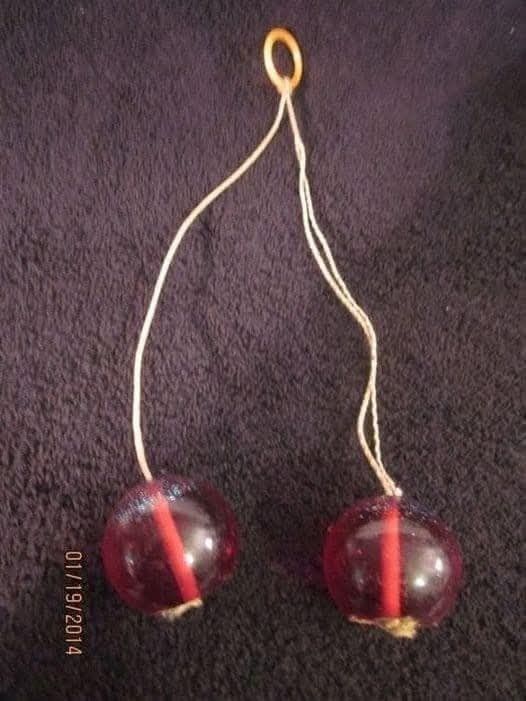
It started with a simple image that sent the internet into detective mode. A strange object appeared in photos online, and guesses poured in from every direction—tools, gadgets, abstract art, even obscure hardware parts. Most people were stumped, especially younger viewers who had never encountered it before. The surprise came when older generations recognized it immediately: the object was a classic toy known as Clackers.
Understanding why Clackers caused so much confusion today requires a look back at their moment in history. First appearing in the late 1960s and exploding in popularity in the early 1970s, Clackers were made of two solid plastic balls connected by a string with a small handle or ring in the center. The goal was deceptively simple—swing the toy so the balls collided above and below the hand, producing a sharp, repetitive “clack” sound that echoed across playgrounds.
Learning how to use Clackers was part of their appeal. Mastery required rhythm, coordination, and patience, turning the toy into both a challenge and a performance. Kids competed to keep the motion going longest or to add flair with speed and control. Along the way, beginners often learned the hard way, as missed timing could result in sore knuckles. Despite the occasional mishap, Clackers became a symbol of skill and perseverance during their peak years.
The craze eventually faded due to safety concerns and changing trends, but the legacy remains strong. Today, Clackers represent a time when entertainment was simple, noisy, and hands-on—no screens required. Their sudden reappearance online highlights how easily everyday objects from the past can become mysteries in the present. More than just a toy, Clackers serve as a reminder of how quickly culture changes and how nostalgia can bridge generations with a single image.